
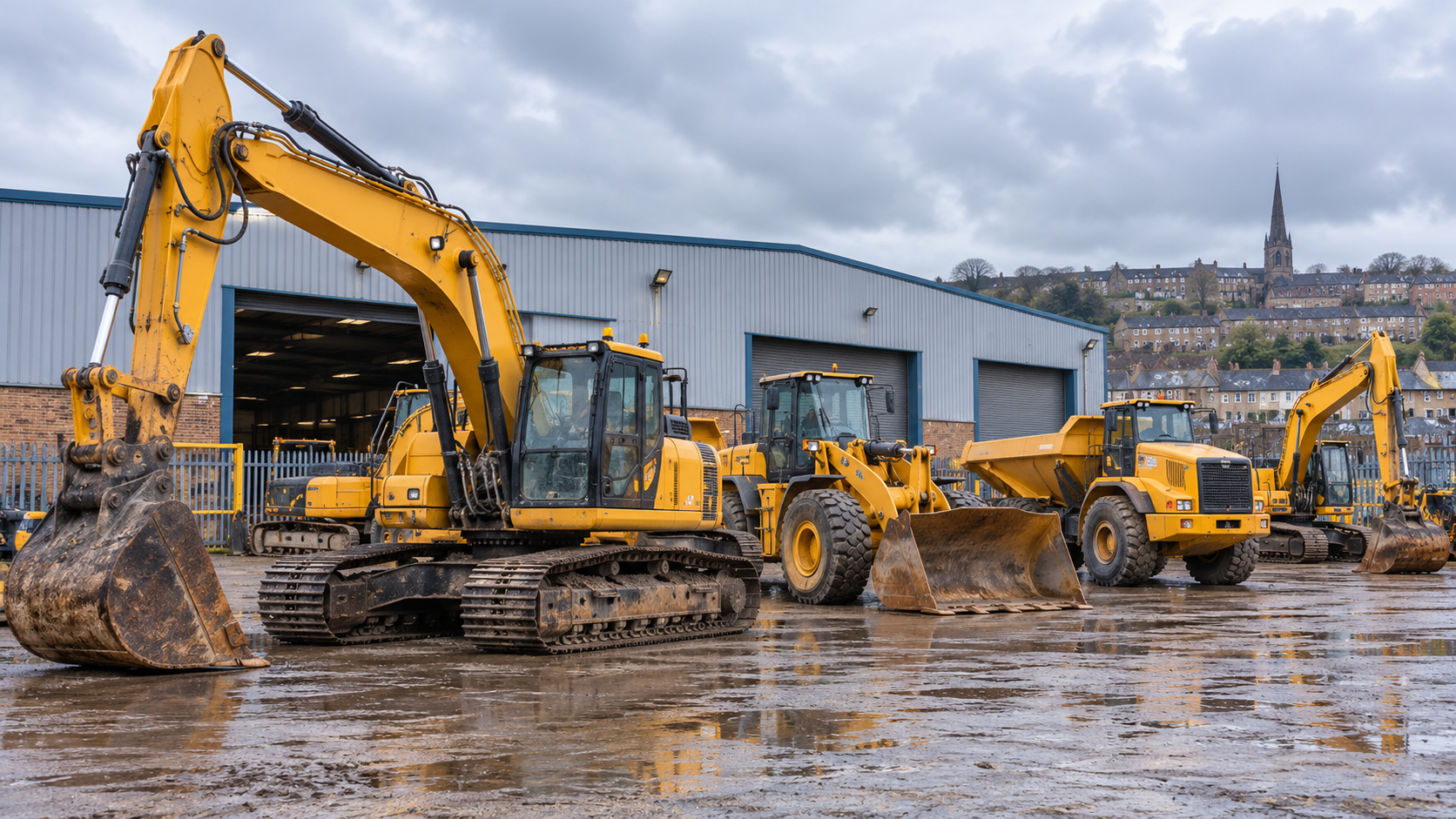
The Warwick Ward construction firm collapse marked the end of a long-standing British machinery business that had served the construction, earthmoving and recycling industries for more than five decades. Founded in 1970, Warwick Ward (Machinery) Ltd became a recognised supplier of new and used heavy machinery, building a strong reputation across the UK and beyond. However, mounting financial difficulties, challenging market conditions and unsuccessful attempts to secure investment eventually pushed the company into administration in December 2025. The closure affected employees, customers, suppliers and the wider construction equipment industry, raising questions about what went wrong.
What Happened to Warwick Ward Construction Firm?
Warwick Ward (Machinery) Ltd entered administration on 3 December 2025, bringing an end to its operations following 55 years of trading. Joint administrators James Lumb and James Clark of Interpath Advisory were appointed to manage the company’s affairs after directors concluded that a financially sustainable rescue could not be secured. The appointment followed unsuccessful efforts to explore refinancing, a potential business sale and new investment. Following administration, operations across the company ceased, and most of its 89 employees faced redundancy. The development represented a significant loss for Barnsley, where the company had established its headquarters and built its reputation.
How Did Warwick Ward Become a Major Machinery Supplier?
Warwick Ward was established in 1970 by Warwick Ward and developed from a family-run operation into one of Europe’s major suppliers of new and used earthmoving and waste-recycling machinery. Its headquarters were based at Blacker Hill Sidings in Barnsley, South Yorkshire, while additional depots operated in Bromsgrove and Harlow. Over the years, the company supplied machinery and equipment to businesses working in construction, groundworks, materials handling and recycling. Its manufacturer relationships included well-known names such as Case, Terex, Ausa, Faresin and Sunward. This established market presence made its eventual collapse particularly significant for customers and industry professionals.
Why Did the Warwick Ward Construction Firm Collapse?
The collapse was linked to a combination of financial pressure, declining business performance and difficult economic conditions across the construction and recycling sectors. According to Interpath, reduced capital spending affected demand for machinery and equipment, putting additional pressure on specialist suppliers and plant operators. Warwick Ward explored several possible solutions, including refinancing existing financial commitments, attracting investment and selling the business. However, these efforts did not produce a viable outcome that would allow the company to continue trading independently. With cash flow under increasing pressure and no sustainable rescue option available, the directors proceeded with an administration application.
How Did Employee Ownership Affect the Company’s Financial Position?
One important development in the company’s history was its transition to employee ownership in June 2023. Former owner-directors Ashley and Matt Ward sold the business to an Employee Ownership Trust (EOT), giving employees an indirect ownership interest. Although this structure can provide long-term benefits, the transaction involved additional debt, which became a contributing factor in the company’s financial difficulties. Joint administrator James Lumb explained that the debt associated with the ownership transition placed further pressure on the business when trading conditions deteriorated. However, it is important to recognise that employee ownership alone was not identified as the sole reason for the collapse.
What Do Warwick Ward’s Financial Figures Reveal?
The company’s published financial performance illustrates how significantly its position weakened after the ownership transition. During the final year under the previous owners, Warwick Ward recorded approximately £51.2 million in sales and a pre-tax profit of £679,000. In the financial year ending September 2024, turnover fell by around 11 per cent to £45.3 million, while the business reported a pre-tax loss of approximately £1.3 million. This change highlighted the difficulties facing the company as revenue declined and profitability deteriorated. Although these figures do not explain every aspect of its financial position, they provide important context for understanding the administration.
How Many Jobs Were Lost Following the Collapse?
The Warwick Ward administration had serious consequences for its workforce, particularly employees based at the company’s Barnsley headquarters and other locations. Interpath confirmed that the business employed 89 people and that the majority were made redundant after operations ceased. Local reporting subsequently stated that 82 employees had lost their jobs, illustrating the scale of the redundancies. The closure was particularly difficult for workers and their families because the company had operated in the region for generations. It also affected the local economy, where established employers contribute to employment, supplier relationships and commercial activity. The administrators identified support for affected employees as an immediate priority.
What Happened to Warwick Ward’s Machinery and Equipment?
Following the closure, attention turned towards the company’s substantial machinery inventory and other business assets. Specialist asset disposal company BPI was appointed to oversee the sale of construction plant and equipment through online auctions. The machinery included excavators, dumpers, loading shovels, screeners, shredders, loading equipment, attachments and other specialist items. Equipment from manufacturers such as Case, Terex and Keestrack was among the assets identified for disposal. These sales provided an opportunity for construction businesses, machinery dealers and independent buyers to purchase equipment previously associated with Warwick Ward. However, the auction process represented an asset recovery exercise rather than a return to normal company operations.
Is Warwick Ward Still in Administration in 2026?
As of November 2026, Warwick Ward (Machinery) Ltd remains subject to administration proceedings, according to its Companies House filing history. The official register records the appointment of administrators in December 2025, followed by a statement of their proposals in January 2026 and a progress report filed in July. Importantly, Companies House also records a notice dated 12 November 2026 extending the administration period. This indicates that the insolvency process has continued beyond the initial closure, although it does not mean the original machinery business has resumed trading. Readers can follow further official developments through the company’s public insolvency records.
What Does the Collapse Mean for the UK Construction Industry?
The Warwick Ward collapse highlights the financial challenges facing specialist machinery suppliers and businesses connected to construction and groundworks. When construction companies reduce investment in new projects, demand for excavators, loading equipment and other heavy machinery can weaken. Suppliers may then experience lower sales, reduced cash flow and difficulties meeting financial commitments, particularly when operating costs and borrowing obligations remain high. Warwick Ward’s administration demonstrates how several pressures can combine to threaten an established business, even one with decades of industry experience. For other UK construction businesses, the situation reinforces the importance of financial planning, monitoring market demand and maintaining sufficient working capital during difficult trading conditions.
What Can Other Construction Businesses Learn from Warwick Ward?
There are several important lessons that construction companies, machinery dealers and equipment suppliers can take from this situation. Businesses need to monitor turnover, profitability, borrowing costs and cash flow rather than relying solely on their historical reputation or established customer relationships. Ownership changes and acquisition financing also require careful consideration, particularly when a business operates in an industry affected by changing investment levels. Warwick Ward’s experience demonstrates that even established suppliers can become vulnerable when declining demand combines with financial commitments and limited access to additional funding. Early financial reviews, realistic forecasts and timely professional advice can help businesses identify potential problems before they become difficult to manage.
Frequently Asked Questions (FAQs)
1. When Did Warwick Ward Construction Firm Collapse?
Warwick Ward (Machinery) Ltd entered administration on 3 December 2025, when Interpath Advisory’s James Lumb and James Clark were appointed joint administrators. The appointment followed financial difficulties and unsuccessful attempts to secure refinancing, a sale or new investment. Operations subsequently ceased across the business, resulting in widespread redundancies. Although the company had traded since 1970, it could not find a sustainable financial solution to continue operating.
2. How Many Employees Lost Their Jobs at Warwick Ward?
The company had 89 employees when it entered administration, and most were made redundant following the closure. Local reporting confirmed that 82 employees lost their jobs, making the collapse a significant employment setback for the Barnsley area. The redundancies also affected the wider network of people and businesses connected to the company’s operations.
3. Who Were the Administrators Appointed to Warwick Ward?
James Lumb and James Clark from Interpath Advisory were appointed joint administrators on 3 December 2025. Their responsibilities included managing the company’s affairs, supporting affected employees and exploring options for its remaining assets. Interpath also oversaw the administration process and the company’s subsequent insolvency proceedingsInterpath+1
You May Also Read: Sedecordle
Conclusion
The Warwick Ward construction firm collapse was the result of mounting financial difficulties, declining sales, challenging economic conditions and debt associated with its transition to employee ownership. After 55 years in business, the company was unable to secure the financial support or investment needed to continue trading, resulting in administration and significant job losses. Its closure also led to the disposal of valuable machinery and equipment through specialist auctions. The situation remains an important example of the pressures facing established UK construction suppliers. As administration proceedings continue, employees, creditors and industry observers can monitor developments through official Companies House records.