
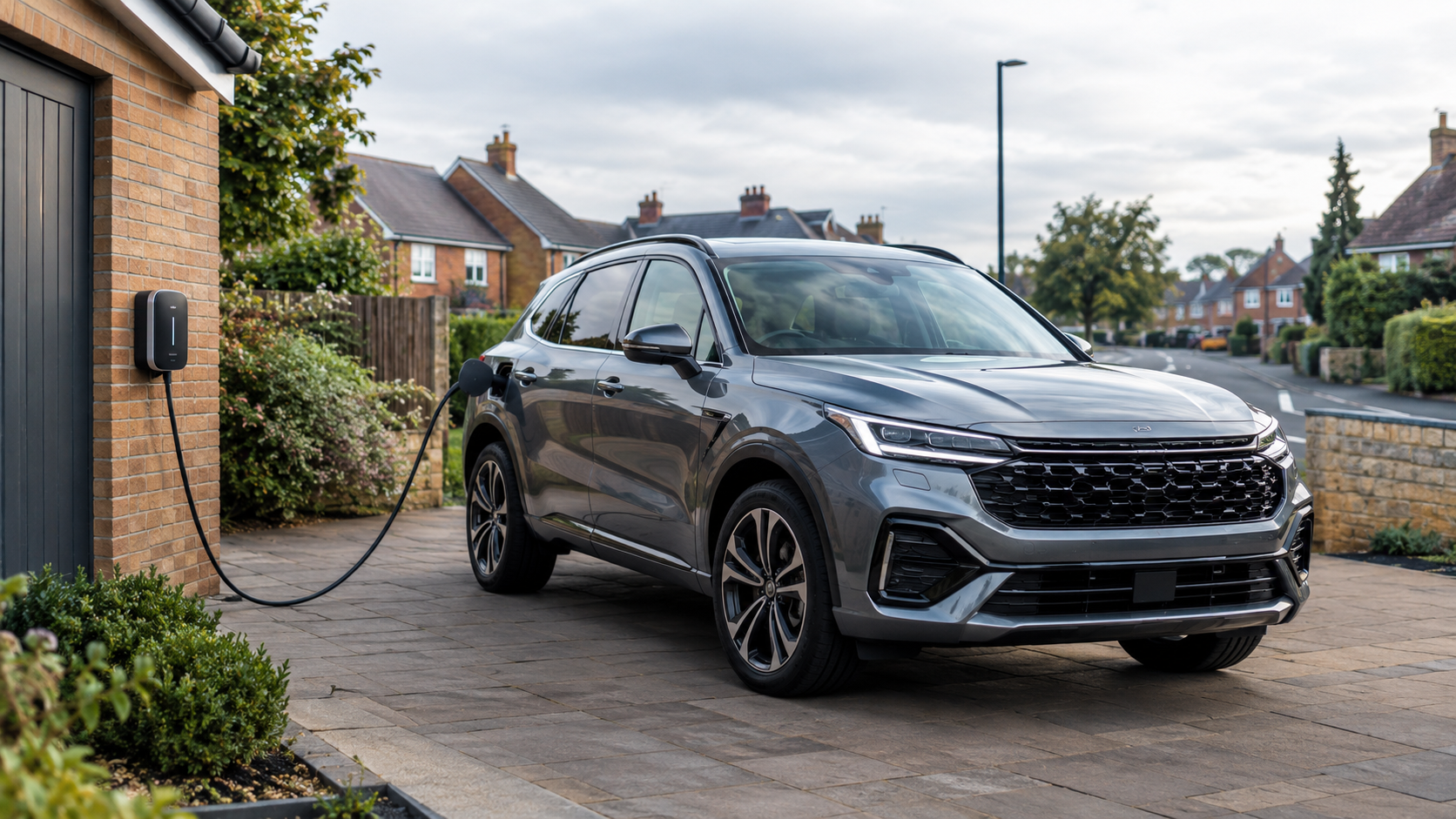
Driving in the United Kingdom can feel complex as the car market changes. As I explore the move from traditional petrol and diesel engines, I weigh electric mobility against familiar fuels. Many motorists now ask, what is a plug in hybrid car, and how can it fit daily life?
So, what is a plug in hybrid car in practice? This technology combines efficient combustion engines with powerful electric motors and rechargeable batteries. Drivers can use pure electricity for short commutes and petrol for longer motorway journeys.
It offers a practical bridge for drivers not ready for battery-only transport. This guide examines how these vehicles affect your tax obligations, charging habits, and overall ownership costs. Understanding these details helps you make an informed choice for your driving needs.
Let us explore whether this flexible option suits your next vehicle purchase.
What is a plug in hybrid car and why is it in the UK news?
Understanding hybrid vehicles can feel difficult, so let’s explain what is a plug in hybrid car and why it matters. It combines a traditional combustion engine with an electric motor and a larger battery. You can charge the battery externally, allowing electric journeys while the engine supports longer trips.
The latest UK policy and market developments affecting PHEVs
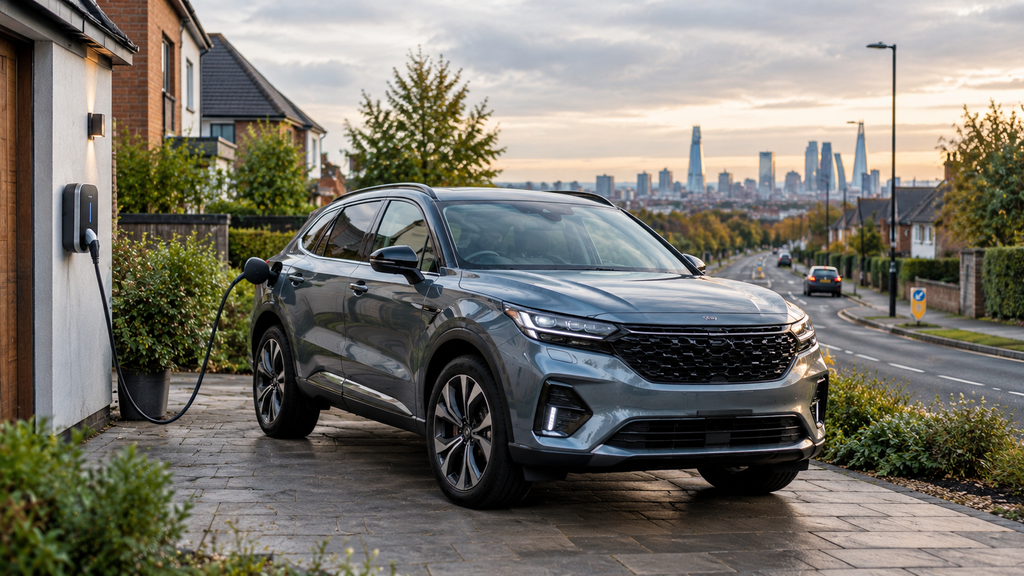
The UK car industry is changing quickly because of ambitious environmental targets. Plug in hybrids often appear in policy debates, as they help drivers move towards fully electric cars.
How the Zero Emission Vehicle Mandate is influencing manufacturers
The government’s Zero Emission Vehicle (ZEV) Mandate requires manufacturers to sell more zero-emission cars each year. This pressure makes brands rethink their line-ups and favour electric models. They must also balance their remaining plug in hybrids against strict fleet-wide emission targets.
Why sales figures and government policy remain closely watched
Industry experts and policymakers track sales data to measure how quickly drivers adopt cleaner technology. These figures show whether change is fast enough for national climate goals or needs new laws.
What the news means for motorists considering a hybrid vehicle
If you want a new car, these policy changes affect your choices. Knowing what is a plug in hybrid car helps you choose wisely in a changing market.
Changes to model availability, pricing and company-car choices
Manufacturers are changing their portfolios to favour models with better electric-only range. This affects several key areas for buyers:
- Model availability: Some older hybrid variants are being phased out in favour of newer, more efficient designs.
- Pricing: Advanced battery technology can influence the initial purchase price of these vehicles.
- Company-car tax: Tax incentives remain a major factor for business users, making these cars a popular choice for many professionals.
Why the UK charging network remains part of the discussion
These hybrid vehicles work best when you can charge them regularly. As plug-in technology grows, drivers are focusing on the UK’s public charging network’s access and reliability. A convenient place to plug in helps you use more of your vehicle’s electric capability.
How plug in hybrid technology works in everyday driving
The mechanics behind hybrid electric vehicles can seem complex at first. Here is a clear phev explanation of how they work on British roads.
The petrol or diesel engine, electric motor and battery
Every plug in hybrid has a dual-power system. A traditional engine works with an electric motor and rechargeable battery pack.
How the powertrain switches between electric and combustion power
The vehicle’s computer monitors your driving and chooses the power source. At low speeds in town, it usually uses the electric motor for silent, zero-emission travel.
The petrol or diesel engine starts automatically when I need more power on motorways or during overtaking. This smooth change provides enough power without my help.
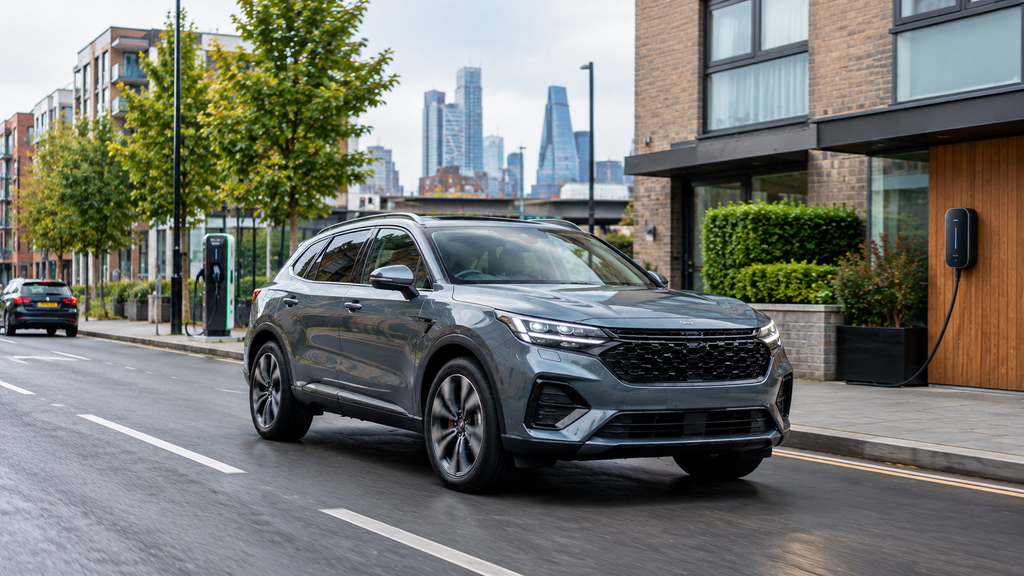
A key feature of this plug in hybrid technology is regenerative braking. When I lift the accelerator or brake, the electric motor becomes a generator.
It captures movement energy that would otherwise become heat and sends it to the battery. This helps extend my electric range while driving.
How a plug in hybrid differs from a conventional hybrid
When comparing the various types of hybrid cars, the main difference is how they get energy. A conventional hybrid charges through its engine and braking, while a plug-in model also uses external charging.
Plug in hybrid vs hybrid charging requirements
The key difference in the plug in hybrid vs hybrid debate is the ability to connect to the mains. I must use a home wallbox or public charging point to refill the battery fully.
Without an external charge, the car works like a standard hybrid. However, I would lose the main benefit of pure-electric driving for my daily commute.
Why a PHEV usually has a larger battery and longer electric range
These vehicles can be charged externally, so they have larger batteries than self-charging hybrids. This lets me travel further using electric power alone.
Most modern models offer 30 to 50 miles on one charge. This usually covers an average UK daily trip without using any fuel.
Examples of plug in hybrid vehicles sold in the UK
The UK market offers many strong choices for people moving to hybrid driving. Manufacturers use this technology in compact hatchbacks and luxury SUVs.
Toyota Prius Plug-in Hybrid and Kia Sportage Plug-in Hybrid
The Toyota Prius Plug-in Hybrid remains a benchmark for efficiency and reliability. The Kia Sportage Plug-in Hybrid provides a practical, family-friendly SUV shape popular with British drivers.
Ford Kuga Plug-in Hybrid, BMW 330e and Range Rover plug-in hybrid models
If I prefer lively driving, the Ford Kuga Plug-in Hybrid and BMW 330e are excellent choices. For premium comfort and off-road ability, Range Rover plug-in hybrid models offer a luxurious and powerful solution.
What happens when I charge and drive a PHEV?
My experience with a plug in hybrid vehicle shows that moving to electric power is simple. With daily use, managing energy soon becomes second nature.
Plug in hybrid charging at home, work and public points
Good plug in hybrid charging helps you get the most from your car. Several options can keep the battery topped up throughout the week.
Using a domestic three-pin socket safely
Many owners begin with a standard three-pin domestic plug. It is convenient, but the socket must be sound and rated for the load. Always check the manufacturer’s guidelines to help prevent overheating.
When a dedicated home wallbox can be worthwhile
A dedicated home wallbox is often a smart choice for regular users. It offers faster, safer and more controlled charging than a standard plug. Daily top-ups become much more reliable.
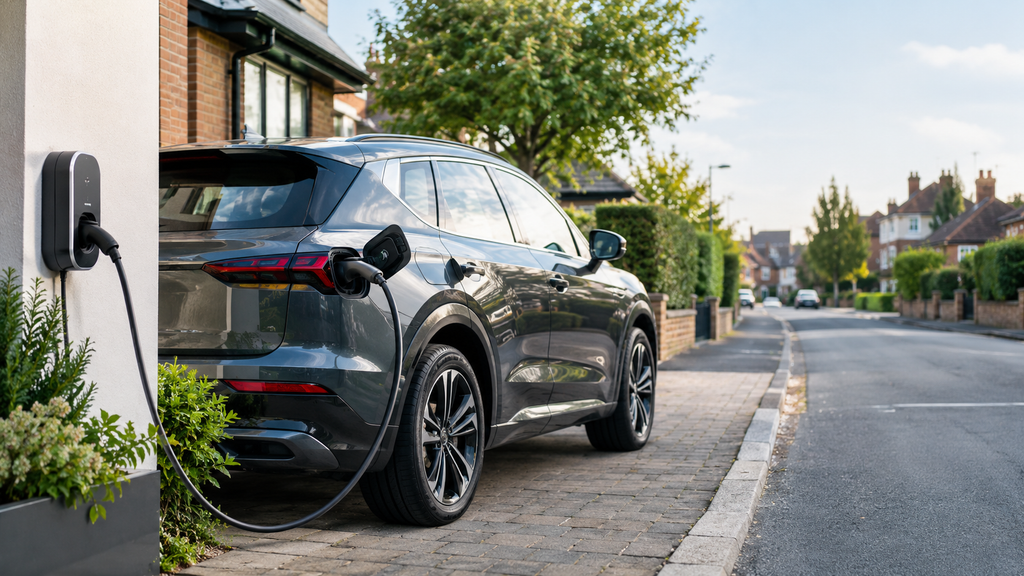
Understanding public charging speeds and connector information
When I travel, I use public charging networks. These stations offer different speeds, so know your car’s maximum intake capacity. Most public points use Type 2 connectors, which are standard across the UK.
How much electric range can I expect?
Managing your plug in hybrid range requires realistic planning. Official figures provide a useful starting point, but British roads can produce different results.
The difference between official WLTP figures and real-world range
Official WLTP figures come from controlled laboratory tests. Your actual distance varies with how and where you drive. I usually expect slightly less than the advertised maximum.
How weather, motorway speeds, heating and payload affect range
Several factors can drain the battery faster than expected. Cold weather, high motorway speeds and heavy loads reduce efficiency. The cabin heater and air conditioning also draw power from the battery.
What happens after the battery is depleted?
Some people think a plug in hybrid vehicle becomes useless when its battery is empty. In reality, it changes mode and keeps moving efficiently.
How the petrol engine keeps the journey going
When the electric charge runs out, the petrol engine takes over smoothly. The car continues as a petrol-powered vehicle, so you are not stranded. You can carry on without stopping to charge.
Why a depleted battery does not make a PHEV identical to a normal hybrid
A depleted PHEV may seem like a standard hybrid, but key differences remain. A plug in hybrid range comes from a larger battery pack, which adds weight. This extra mass can affect handling and acceleration compared with a lighter, conventional hybrid.
Benefits of plug in hybrid cars for UK drivers
I see the benefits of plug in hybrid cars as a useful middle ground for my varied driving needs. They combine a battery motor with a traditional engine, offering flexibility before I switch fully electric.
When electric driving can reduce fuel use and emissions
The benefits of phevs stand out during my daily routine. Using electricity cuts my running costs and carbon footprint.
Making short commutes and local journeys using battery power
I can use pure electric mode for school runs and local shopping trips. This means zero fuel use over these short distances, which suits city driving.
Using the combustion engine for longer trips and rural travel
For weekend getaways or long motorway drives, the petrol engine starts smoothly. This prevents delays in remote rural areas with few charging points.
Practical advantages over a fully electric car
Hybrids provide clear electric car advantages while offering extra peace of mind. I enjoy the electric motor’s quiet, smooth acceleration during my morning commute.
Reducing range anxiety on long journeys
I do not worry about finding a charger during long trips. When the battery runs low, I continue using the petrol engine, reducing travel stress.
Keeping refuelling flexibility where rapid chargers are limited
Where public charging points are scarce, I can use a standard petrol station. This dual-fuel option helps drivers who travel across the UK often.
Potential financial and environmental benefits
To understand the hybrid car benefits, I must consider how I use my vehicle. My habits strongly affect how much I save.
How charging regularly affects fuel savings
I plug in my car whenever I return home to maximise savings. Regular charging lets me use the electric motor more, keeping petrol costs low.
Why lower tailpipe emissions depend on real charging habits
My environmental impact depends on how often I charge. Without charging, the engine works more, raising emissions and reducing efficiency.
How PHEVs support a gradual move towards eco-friendly transportation
These vehicles help me move towards eco-friendly transportation at my own pace. I can learn electric driving while keeping a combustion engine.
- Lower fuel costs through regular charging.
- Reduced tailpipe emissions in urban zones.
- Seamless transition between electric and petrol power.
| Feature | Electric Mode | Hybrid Mode |
|---|---|---|
| Primary Use | Short commutes | Long journeys |
| Fuel Cost | Very low | Moderate |
| Emissions | Zero | Reduced |
Costs, tax incentives and drawbacks I should consider
When I consider a plug-in hybrid, I must weigh fuel savings against higher upfront costs and tax rules. I need to review the full ownership cost, including phev tax incentives, against my budget and lifestyle.
Purchase prices, servicing and ownership costs
Why PHEVs can cost more than comparable petrol or hybrid vehicles
Plug-in hybrid electric vehicles (PHEVs) often have a higher purchase price than petrol-only cars. This reflects dual-powertrain technology, with an internal combustion engine and a larger battery pack. I may save on fuel, but the initial investment is usually higher.
Battery warranty, maintenance and insurance considerations
I should also plan for long-term maintenance. Electric motors have fewer moving parts, but two systems can sometimes make servicing more costly. Most manufacturers offer a specific battery warranty, giving me peace of mind. However, I must check whether insurance premiums rise because advanced hybrid repairs may cost more.
UK tax treatment for private and company-car drivers
How benefit-in-kind bands are linked to electric range and emissions
For company-car drivers, tax is a major factor. Benefit-in-kind (BIK) rates depend greatly on electric-only range and CO2 emissions. A longer electric range can significantly reduce my monthly tax bill.
Vehicle Excise Duty, salary sacrifice and changing PHEV tax incentives
I find that phev tax incentives change with government policy. Salary sacrifice schemes can make these vehicles more affordable, but I must track current phev tax incentives to avoid surprises. Vehicle Excise Duty (VED) rates also vary, so I check the latest figures before signing a contract.
Why I should check current HMRC and GOV.UK guidance before buying
Rules evolve, so I make a habit of checking official HMRC and GOV.UK guidance. Outdated information could create unexpected tax liabilities. This is the safest way to keep my financial planning accurate.
The disadvantages of plug in hybrid ownership
Extra weight, reduced boot space and possible efficiency penalties
I must accept that these vehicles weigh more than standard cars because of the battery. This extra weight can affect handling and reduce available boot space. If I often carry heavy loads, I may notice this drawback.
Why failing to charge regularly can undermine the main benefits
The biggest threat to my savings is failing to charge the battery. If I use the car like a standard petrol vehicle, I carry a heavy, unused battery. This reduces fuel efficiency, so I need a consistent charging routine for the best value.
| Factor | Impact on Cost | Key Consideration |
|---|---|---|
| Purchase Price | Higher | Compare against standard petrol models |
| BIK Tax | Variable | Check electric range and emissions |
| Maintenance | Moderate | Review battery warranty terms |
| Fuel Efficiency | High (if charged) | Requires regular plug-in habits |
Who is involved in the UK PHEV debate and what happens next?
I find the current UK PHEV debate lively and fast-moving, like the technology itself. It includes global car makers, local policy makers and everyday motorists.
What manufacturers are doing
How car makers are balancing PHEVs, battery-electric cars and petrol models
Car makers face a tightrope. They must meet rising demand for electric travel while keeping petrol and hybrid models profitable.
Many brands use plug-in hybrids as a bridge. This lets them keep production lines moving while developing more battery-electric vehicles.
Why new emissions rules are shaping future vehicle ranges
Strict emissions rules drive these changes. Manufacturers must meet tough carbon reduction targets or face heavy fines.
As a result, only the most efficient plug-in hybrids are surviving. Models with little electric-only range are being phased out for cleaner alternatives.
What the government and regulators are deciding
Policy decisions affecting drivers, manufacturers and charging providers
The government sets the pace of change. Its tax and subsidy decisions affect how quickly we leave fossil fuels behind.
Regulators also focus on the quality of the charging infrastructure. Without a reliable network, drivers may avoid plug-in and fully electric models.
How grants, taxation and infrastructure influence consumer demand
Financial incentives can change behaviour. Interest in plug-in hybrids usually rises when grants are available.
- Taxation benefits for company-car drivers remain a major incentive.
- Investment in public charging points helps reduce range anxiety.
- Clearer labelling helps consumers understand the true cost of ownership.
What drivers, motoring groups and environmental organisations are saying
Arguments that PHEVs provide a useful transition to electric driving
Many motoring groups see plug-in hybrids as practical for people who cannot charge at home. They provide petrol flexibility for long trips and emission-free city driving.
Concerns about laboratory figures, company-car use and infrequent charging
Environmental organisations raise valid concerns. They say laboratory figures rarely match real-world fuel use.
Some company-car drivers may also charge their vehicles rarely. This removes the environmental benefits these cars aim to provide.
How I would assess the news before making a decision
Checking the vehicle’s electric range, charging time and running costs
When I assess a new model, I ignore marketing hype. I focus on practical figures that affect my daily life.
I always check the real-world electric range, not the official figure. I also consider home charging time.
Comparing official claims with independent road tests and owner experience
For the full picture, I use independent road tests. These reviews show how cars perform in real traffic.
I also read forums where owners share their experiences. Daily drivers often provide more useful information than any brochure.
You May Also Read: Sedecordle
Conclusion
Choosing a vehicle requires a clear review of your daily travel habits and access to charging infrastructure. Plug in hybrid ownership offers a bridge: electric efficiency suits short commutes, while a petrol engine supports longer motorway trips.
Review your personal driving patterns before committing to a purchase. Check your local charging access and calculate possible tax savings for your circumstances. This preparation makes your UK hybrid car decision easier to manage.
Manufacturers such as BMW, Volvo, and Toyota offer diverse options for different lifestyles. Test drive these models to discover how they feel on the road. An informed choice helps you gain value from your investment and reduce your environmental impact.
Take time to compare running costs with your budget. Stay updated with current government guidance to feel confident about your purchase. Your move towards more sustainable driving starts with this careful evaluation.
FAQ
What is a plug in hybrid car and how does it differ from other hybrid vehicles?
In simple terms, a PHEV combines a traditional petrol or diesel engine, an electric motor, and a larger battery. Unlike other hybrid cars, it charges through an external power source, not only through braking. This lets me drive usually 25 to 50 miles on electricity before the combustion engine takes over.
Why are plug in hybrids frequently mentioned in the UK news lately?
Plug in hybrids are a major talking point because of the UK’s Zero Emission Vehicle Mandate. This policy pressures manufacturers to sell more low-emission cars. Government policy and phev tax incentives keep changing, so motorists watch this eco-friendly transport shift as the UK charging network expands.
What is the main difference when comparing a plug in hybrid vs hybrid for daily use?
When comparing a plug in hybrid vs hybrid, the biggest factor is the plug in hybrid range. A conventional hybrid travels only a mile or two on battery power, while a PHEV can cover my morning commute. However, true hybrid car benefits require plug in hybrid charging; without it, I carry a heavy, empty battery.
Which models should I look for if I want a reliable plug in hybrid vehicle?
For family use, I recommend the Toyota Prius Plug-in Hybrid or the Kia Sportage Plug-in Hybrid. The BMW 330e suits company-car drivers because of its tax efficiency. The Ford Kuga Plug-in Hybrid and various Range Rover plug-in hybrid models offer versatility and luxury.
How does plug in hybrid charging work at home and in public?
Most owners prefer a dedicated home wallbox because it is faster and safer for long-term use. In a pinch, you can use a domestic three-pin socket or public charging points. PHEVs often charge more slowly than fully electric cars, but plug in hybrid technology manages energy flow automatically without a nearby charger.
What are the primary benefits of plug in hybrid cars for UK drivers?
Plug in hybrid cars offer great flexibility. I get electric car advantages through silent, emission-free driving, without range anxiety on trips to the Highlands or rural Wales. Regular charging brings lower monthly fuel bills and reduced tailpipe emissions, among the benefits of phevs.
Are there any specific phev tax incentives I should be aware of?
Yes, phev tax incentives decide the issue for many of my colleagues. UK Benefit-in-Kind (BIK) rates for company cars currently link to electric-only range; longer range means less tax. Check the latest HMRC and GOV.UK guidance, because Vehicle Excise Duty and salary sacrifice rules can change with each budget.
What happens to the performance once the plug in hybrid range is depleted?
Once the battery reaches its minimum level, the car operates more like a conventional hybrid electric vehicle. The engine provides power, while regenerative braking captures energy for low-speed crawling. Fuel efficiency can drop because the engine moves the battery’s extra weight, making regular charging vital for eco-friendly transportation.
What are the potential downsides of hybrid vehicles with a plug?
Despite many hybrid car benefits, compromises remain. PHEVs often have slightly smaller boot spaces for the battery pack and cost more upfront than standard petrol cars. If I drive 200 miles daily on the motorway without charging, a modern diesel might be more efficient for me.
How can I verify the real-world efficiency of a phev before buying?
I would not rely solely on official WLTP figures, which come from laboratory conditions. I look instead for independent road tests and owner reviews of models such as the BMW 330e or Ford Kuga. I calculate my daily mileage; if most trips are under 30 miles, home charging makes PHEV benefits outweigh initial costs.