
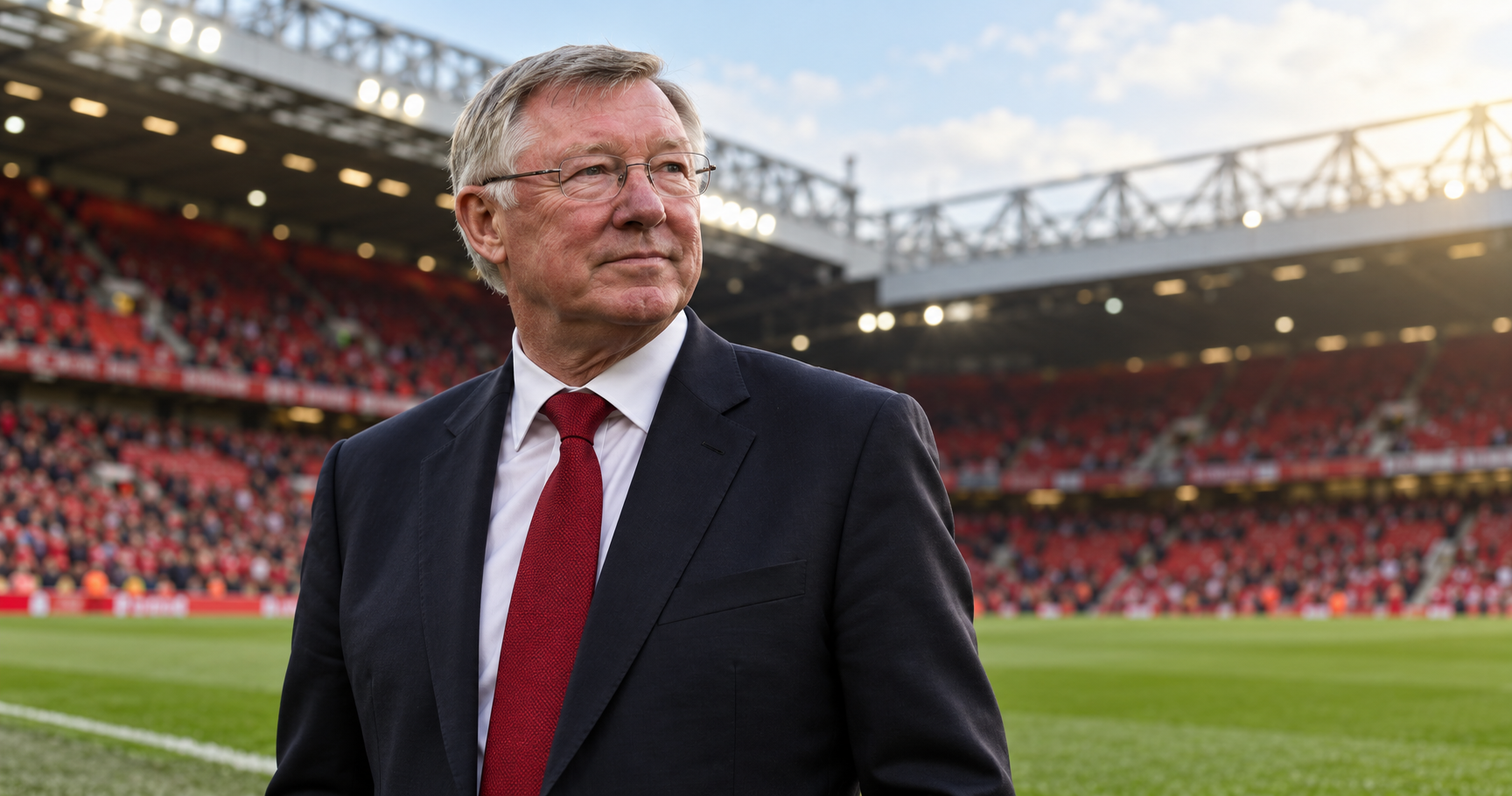
Few football careers explain sustained success better than that of Sir Alex Ferguson, whose achievements transformed Manchester United and established an extraordinary standard for management. For readers exploring the alex ferguson manager story, the central question is how he kept winning while players, rivals and football itself changed around him. His answer combined demanding standards, careful recruitment, youth development and the willingness to rebuild successful teams before their performance declined. Understanding his career therefore means looking beyond famous celebrations and examining the decisions that helped him maintain a competitive culture across different generations of players over almost twenty-seven demanding years.
Building His Reputation at Aberdeen
Before Manchester United, Ferguson demonstrated at Aberdeen that ambitious management could challenge clubs with greater resources and longer traditions of domestic dominance in Scottish football. He guided Aberdeen to three Scottish league titles, disrupting the established strength of Celtic and Rangers and giving his players confidence against more powerful opponents. Their defining European achievement arrived in 1983, when Aberdeen defeated Real Madrid to win the European Cup Winners’ Cup, before also claiming the UEFA Super Cup. Those results established his credentials beyond Scotland and showed that organisation, belief and preparation could help a determined team overcome seemingly intimidating sporting advantages.
Transforming Manchester United Through Patience
Ferguson became Manchester United manager in November 1986, but the remarkable success associated with his name did not arrive immediately or without difficult early seasons. Rebuilding required changes to the squad, stronger expectations and patience while the club worked towards becoming consistent challengers rather than occasional contenders for major honours. United eventually won the league in 1993, ending a twenty-six-year wait and beginning a period in which championship expectations became central to the club’s identity. For anyone studying the alex ferguson manager journey, this early period demonstrates why lasting improvement often depends on structural work before results become fully visible.
Trophies, Leadership and Lasting Standards
By his retirement in 2013, Ferguson had delivered thirteen Premier League titles and two Champions League victories, achievements that illustrate both domestic consistency and European excellence. However, treating his management as a simple formula would overlook the judgement needed to motivate individuals, manage competition for places and refresh a successful squad. His career offers a useful distinction between maintaining standards and repeating exactly the same approach, because different players and circumstances require different forms of leadership. The broader lesson is that authority becomes more effective when supported by preparation, clear expectations and decisions that serve the team’s longer-term competitive needs.
FAQ: Who Is Sir Alex Ferguson?
Sir Alex Ferguson is a Scottish former football manager whose reputation rests principally on his achievements with Manchester United and his earlier success at Aberdeen. He managed United between 1986 and 2013, overseeing a sustained period of success that made his name familiar to football supporters around the world. Although many readers associate him immediately with English football, his Aberdeen achievements are essential to understanding how his managerial reputation developed before arriving in Manchester. Describing him simply through trophies misses the wider significance of his career, which also provides examples of organisational leadership, team renewal and maintaining expectations under pressure.
FAQ: How Many Premier League Titles Did Ferguson Win?
Ferguson won thirteen Premier League titles with Manchester United, beginning with the inaugural Premier League season in 1992–93 and finishing with the 2012–13 championship success. That total reflects repeated achievement over two decades rather than a single exceptional team enjoying a brief period of superiority over its immediate domestic rivals. It also helps explain why his managerial career receives such close attention, because maintaining championship performance requires responding to changing opponents and refreshing player groups. When discussing his record, distinguish these thirteen Premier League titles from his Scottish league championships with Aberdeen, which belong to a separate competition and period.
FAQ: Why Was Aberdeen Important to His Career?
Aberdeen mattered because Ferguson achieved success outside the clubs usually associated with the greatest financial strength and deepest expectations of winning Scottish football’s major competitions. Winning three league titles demonstrated domestic consistency, while the 1983 European Cup Winners’ Cup victory gave his work a much wider audience beyond Scottish football. Beating Real Madrid provided an especially memorable example of a carefully prepared team challenging an opponent with a much larger international profile and historical reputation. His Aberdeen period should therefore be understood as a substantial achievement in its own right, rather than merely a preliminary chapter before his Manchester United appointment.
FAQ: What Made His Management Effective?
Several principles help explain Ferguson’s effectiveness: demanding standards, attention to recruitment, trust in developing players and a willingness to make difficult decisions when circumstances required. These ideas sound straightforward, but applying them consistently means judging when a player needs encouragement, when competition helps and when a squad requires meaningful change. His long career also illustrates the importance of adapting the delivery of leadership while keeping the underlying expectation of collective effort and professional commitment clear. Managers studying his example should therefore examine how principles translate into everyday choices, rather than assuming that copying a forceful personality will produce similar results.
FAQ: When Did Alex Ferguson Retire?
Ferguson retired as Manchester United manager at the end of the 2012–13 season, bringing an exceptionally long and successful period at Old Trafford to its conclusion. His final season included another Premier League title, giving the end of his managerial career a clear connection with the sustained success that defined it. Retirement from management means that historical accounts should describe his United responsibilities in the past tense, rather than presenting him as the club’s current manager. For readers researching his achievements, separating his completed coaching career from later public appearances helps keep biographies accurate, clearly focused and easier to follow overall.
You May Also Read: Sedecordle
Conclusion: Understanding the Alex Ferguson Manager Legacy
The alex ferguson manager legacy rests on more than memorable matches, famous players or the silverware that became associated with his years at Manchester United. His achievements show how demanding standards, patient rebuilding and a readiness to change can support success across different teams and different stages of a career. Aberdeen established his ability to challenge expectations, while Manchester United demonstrated how those managerial qualities could sustain achievement over a much longer period of competition. For football supporters and aspiring coaches, his story remains valuable because it connects extraordinary results with the continuing work of preparing, developing and renewing teams.