
Introduction
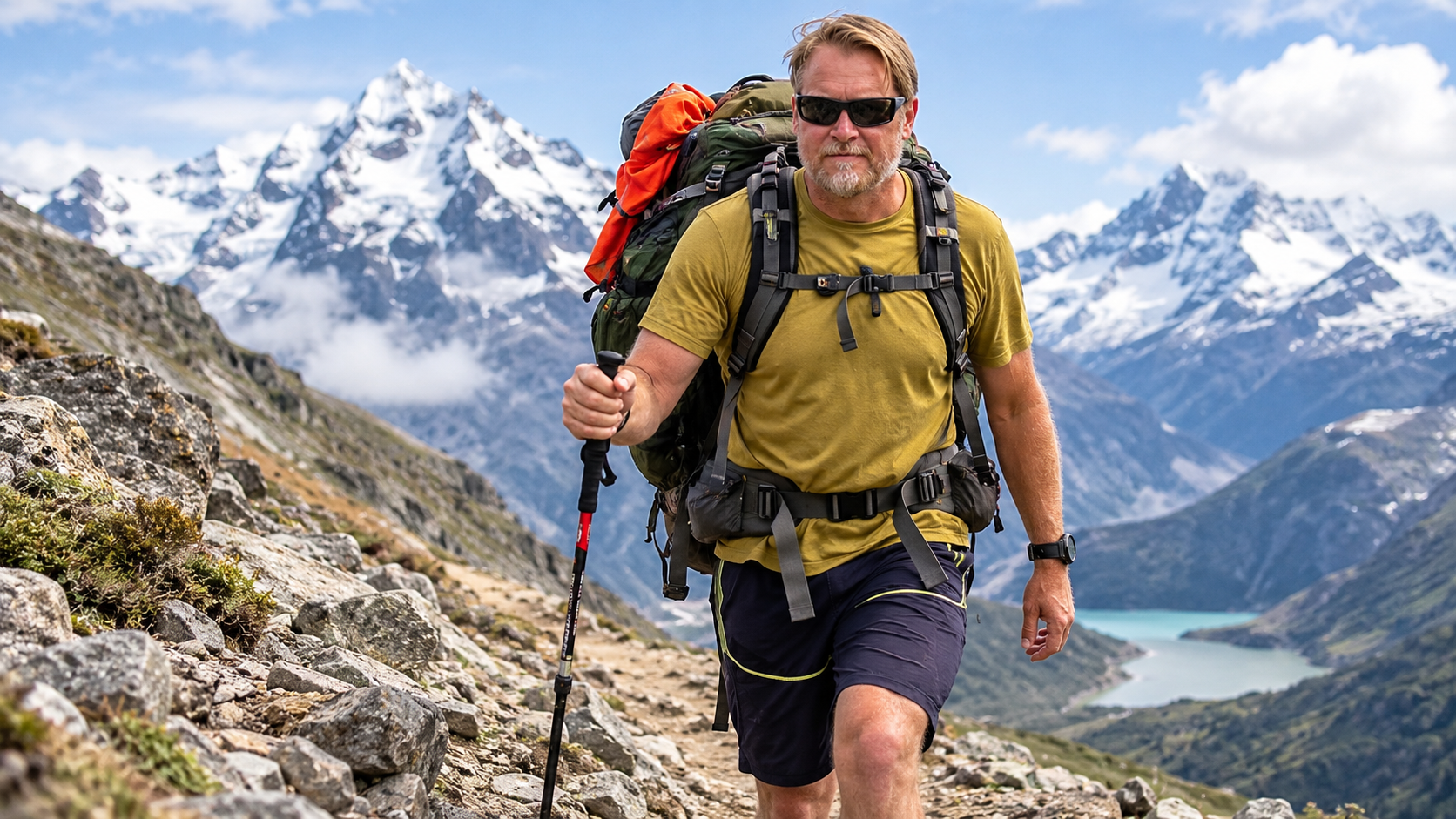
Karl Bushby is a British adventurer and long-distance explorer best known for attempting one of the most extraordinary journeys in modern exploration: walking around the entire world without using motorised transport. His ambitious challenge, known as the Goliath Expedition, began in 1998 and has taken him across continents, deserts, mountains and some of the world’s most challenging geographical regions. Unlike conventional travel adventures, his journey is built around an extraordinary commitment to completing the distance on foot, regardless of the difficulties encountered along the way.
What makes Karl Bushby particularly interesting is the determination behind his expedition. His challenge is not simply about travelling between countries but about testing the physical and psychological limits of human endurance. Over the years, his journey has attracted international attention because of its unusual rules, lengthy duration and remarkable obstacles. His story also raises fascinating questions about perseverance, personal ambition and what it takes to pursue a goal that could require decades to complete.
Who Is Karl Bushby?
Karl Bushby is a British explorer and adventurer who became internationally recognised for launching an ambitious attempt to walk around the world. Before beginning his expedition, he served in the British Army, an experience that helped develop the discipline, resilience and physical endurance required for an adventure of this scale. His military background provided valuable preparation for dealing with demanding environments, difficult conditions and extended periods away from familiar surroundings.
Bushby’s approach to exploration is different from traditional round-the-world travel because he set himself a strict challenge involving continuous human-powered movement. Rather than relying on flights or vehicles to cover difficult sections, he aimed to complete the journey on foot. His determination to follow this principle has made him an unusual figure in modern adventure history. The expedition demonstrates how a personal ambition can develop into a lifelong commitment requiring patience, planning and exceptional persistence.
What Is the Goliath Expedition?
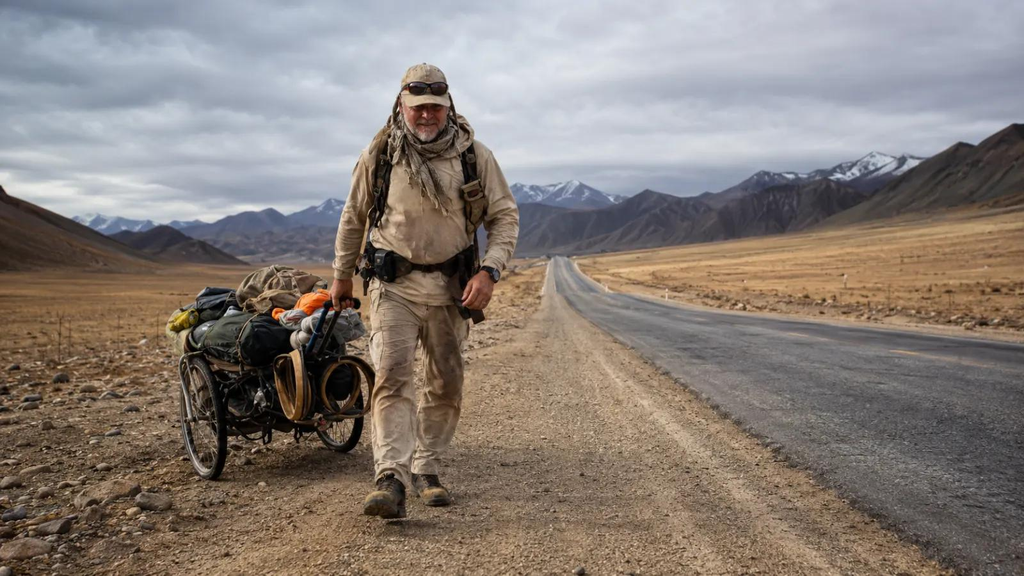
The Goliath Expedition is the name given to Karl Bushby’s attempt to walk around the world, beginning in 1998. His original ambition was to travel from Punta Arenas in southern Chile towards his home in Hull, England, covering an enormous distance across different continents. The central principle was that he would complete the journey without using motorised transport to advance towards his destination. This unusual rule made the expedition considerably more difficult than an ordinary international adventure.
The journey involved crossing remote landscapes, negotiating international borders and managing the practical challenges of travelling for years. Bushby also faced unpredictable weather, financial pressures and complicated political circumstances. Unlike a planned holiday with a fixed return date, the Goliath Expedition became a long-term undertaking that required constant adaptation. Its significance comes from the scale of the challenge and the explorer’s determination to continue despite setbacks that could easily have ended a less ambitious expedition.
The Most Difficult Challenges of Karl Bushby’s Journey
One of the most dangerous stages of Bushby’s expedition involved crossing the Darién Gap, a vast area of rainforest and swamp between Colombia and Panama. The region is known for its difficult terrain, dangerous wildlife and security risks, making it one of the most challenging sections of his journey. Bushby had to navigate dense vegetation, rivers and remote areas where ordinary roads were unavailable. His successful crossing became an important milestone and demonstrated the level of preparation required to continue his expedition through difficult environments.
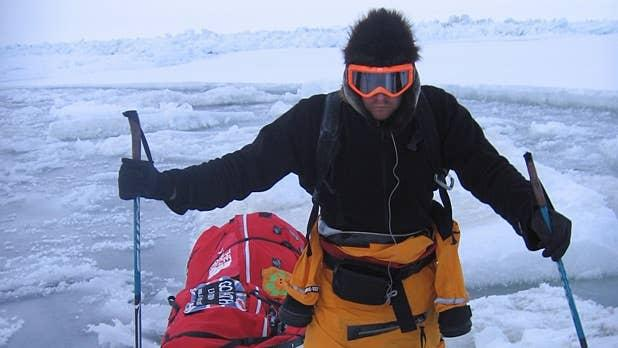
Another extraordinary challenge came in Siberia and the Bering Strait, where freezing temperatures and unstable sea ice created potentially life-threatening conditions. Bushby and fellow explorer Dimitri Kieffer crossed the frozen strait between Alaska and Russia in 2006, facing shifting ice, freezing winds and dangerous open-water sections. Political restrictions also caused serious delays, particularly in Russia, where visa difficulties interrupted his progress. These experiences showed that the expedition required more than physical strength, as patience, problem-solving and careful decision-making were equally important.
Crossing the Caspian Sea and English Channel
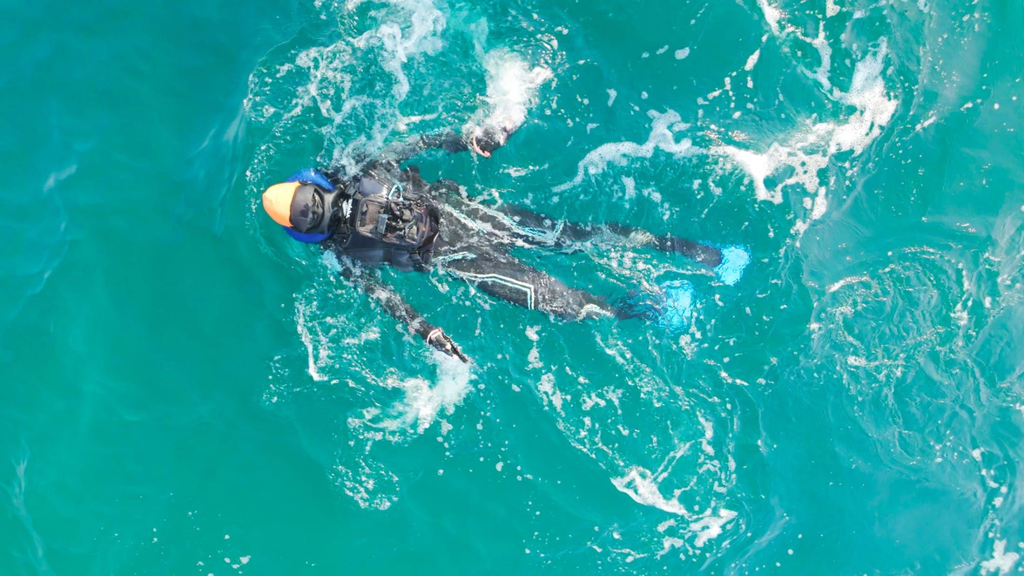
One of the most unusual parts of the Goliath Expedition involved crossing the Caspian Sea. Political restrictions and closed borders prevented Bushby from following his preferred land route, forcing him to consider an alternative way forward. In 2024, he completed a remarkable 288-kilometre crossing from Kazakhstan to Azerbaijan with a support team. The journey took 31 days and involved more than 132 hours in the water, making it an extraordinary example of endurance and determination.
After reaching Europe and travelling through Azerbaijan, Georgia and Turkey, Bushby continued towards the United Kingdom. He reached Istanbul in April 2025 before moving closer to his final destination. Another major obstacle appeared when he could not use the Channel Tunnel to cross into Britain on foot. Instead, he completed a multi-day English Channel swim and reached Shakespeare Beach near Dover on 5 October 2026. This achievement brought him back to British soil after almost 28 years away.
Has Karl Bushby Completed His Walk Around the World?
Final journey home: 2 November 2026
As of 2 November 2026, Karl Bushby is reaching the final stage of his extraordinary expedition. After arriving in the United Kingdom, he continued walking towards Hull, the English city where his journey is intended to finish. According to the latest reports, he is expected to reach Queen Victoria Square at approximately 11 am before completing the final section towards his mother’s home. His return marks the conclusion of a challenge that began in November 1998 and lasted almost three decades.
The expedition has covered approximately 50,000 kilometres, taking Bushby through four continents and around 30 countries. His original plan was considerably shorter, but difficult terrain, political restrictions, financial problems and international events repeatedly delayed his progress. The final return is particularly meaningful because he has spent much of his adult life pursuing this single ambition. Reaching Hull represents not only the completion of a physical journey but also the end of a remarkable personal commitment.
Why Is Karl Bushby’s Expedition So Remarkable?
Karl Bushby’s achievement stands out because of the strict principles behind his challenge. He committed himself to making progress without motorised transport and refused to return home until he could complete the journey on foot. These rules transformed an already ambitious adventure into a complicated international undertaking. Every border crossing, dangerous landscape and unexpected obstacle had the potential to interrupt his progress, yet he continued finding ways to move forward.
His expedition also demonstrates the importance of human support and international cooperation. Throughout the journey, local people, fellow explorers, sponsors and supporters helped him overcome difficulties. Although Bushby is the central figure in the story, his achievement was not entirely a solo effort. The experience highlights how determination, practical assistance and cooperation can combine to make an almost impossible ambition achievable.
You May Also Read: Sedecordle
Conclusion
Karl Bushby’s journey is one of the most extraordinary modern exploration stories involving endurance, ambition and determination. What began in Chile in 1998 developed into a 28-year expedition across continents, dangerous environments and complicated international borders. From crossing the Darién Gap and the frozen Bering Strait to swimming the Caspian Sea and English Channel, his experiences demonstrate the challenges involved in attempting to travel around the world without motorised transport.
His expected return to Hull on 2 November 2026 represents the final chapter of an adventure that has defined much of his adult life. Karl Bushby has shown that extraordinary goals often require patience, sacrifice and the willingness to continue when circumstances become difficult. His story will remain an inspiring example of human endurance and determination for future generations of explorers.
Frequently Asked Questions (FAQs)
1. Who is Karl Bushby?
Karl Bushby is a British adventurer and former paratrooper from Hull, England. He became famous for attempting to walk around the world without using motorised transport. His Goliath Expedition started in November 1998 in Punta Arenas, Chile, and became a 28-year adventure across four continents.
2. How long did Karl Bushby’s journey take?
His expedition took approximately 28 years, beginning on 1 November 1998. His expected return to Hull on 2 November 2026 marks the conclusion of an extraordinary journey lasting almost three decades.
3. Did Karl Bushby cross the English Channel?
Yes. Karl Bushby completed a multi-day swim across the English Channel in October 2026, reaching Shakespeare Beach near Dover. This allowed him to return to the United Kingdom and continue walking towards his hometown of Hull.
4. What is the Goliath Expedition?
The Goliath Expedition is Karl Bushby’s attempt to travel around the world using only walking and swimming. It began in Chile in 1998 and involved crossing difficult geographical regions, international borders and major bodies of water.
5. How far did Karl Bushby travel?
Karl Bushby’s expedition covered approximately 50,000 kilometres (31,000 miles), passing through around 30 countries and four continents. The exact distance depends on how the route is measured.