
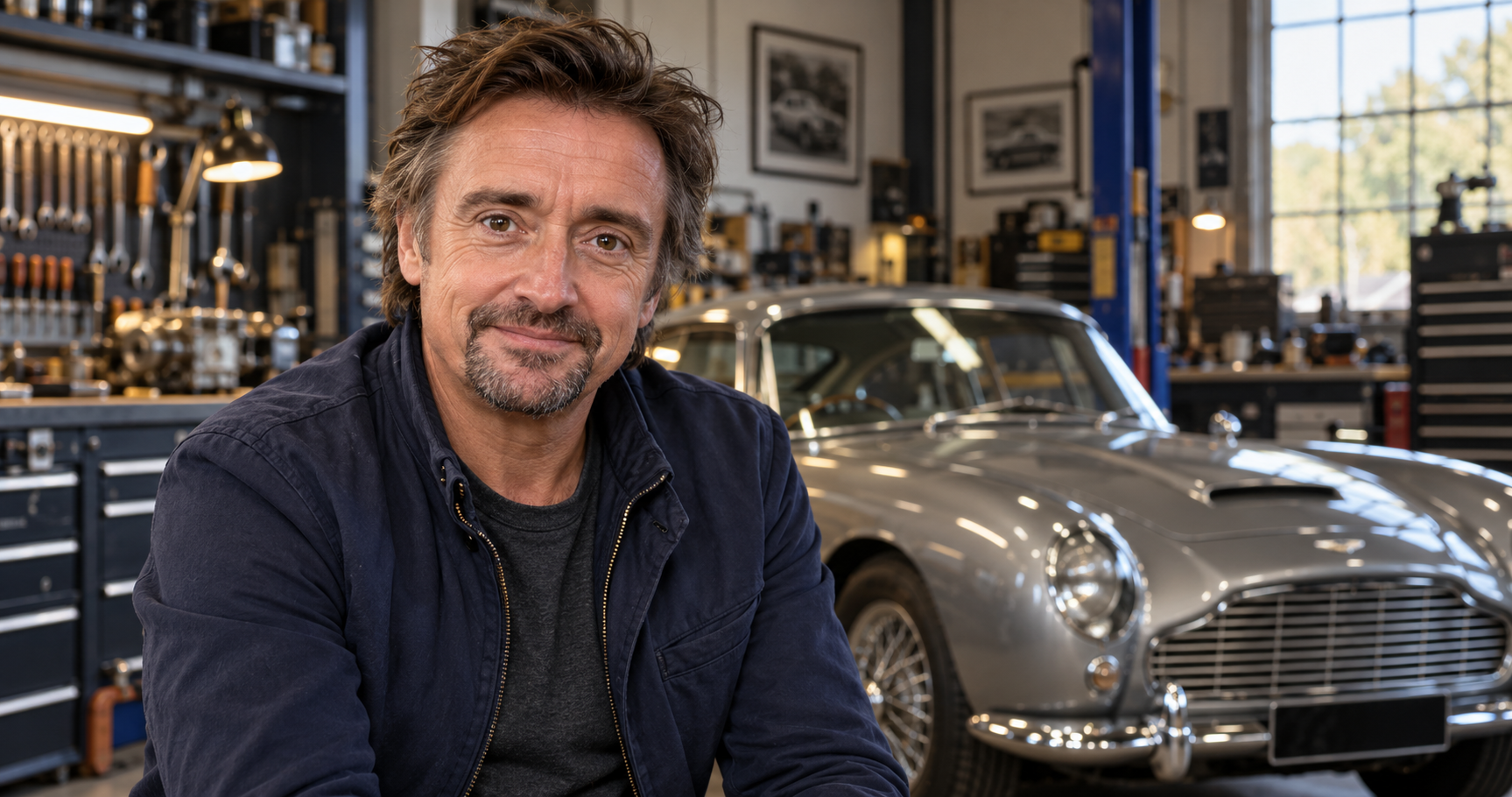
Richard Hammond is a British television presenter, journalist and author best known for making motoring entertainment accessible to millions of viewers. Born in Solihull on 19 December 1969, he became a familiar face through Top Gear, where his enthusiasm, humour and willingness to tackle unusual challenges helped define the programme’s appeal. However, his career also includes science programmes, entertainment shows and writing, giving audiences several reasons to recognise him beyond cars. Understanding his journey means looking at both the successful presenting partnership that brought international recognition and the individual interests that have shaped his work across different programmes and formats.
How Richard Hammond Became a Motoring Television Favourite
Richard Hammond joined the relaunched Top Gear in 2002 and remained with the BBC programme until 2015, becoming closely associated with Jeremy Clarkson and James May. Their contrasting personalities helped turn vehicle reviews, ambitious journeys and improbable challenges into entertainment that reached well beyond dedicated car enthusiasts. Hammond brought an energetic, frequently self-deprecating presence, making technical subjects feel approachable without removing the excitement surrounding performance cars and unusual engineering. For many viewers, the attraction was the combination of motoring knowledge and friendship, with disagreements, setbacks and unexpected successes creating stories that were easy to follow even without understanding engine specifications.
The partnership continued with The Grand Tour, which launched on Amazon’s streaming platform in 2016 and carried their familiar chemistry into another setting. Over time, ambitious travel specials became central to the programme, combining distinctive cars with demanding routes, local scenery and the presenters’ established sense of humour. Their final adventure together, One for the Road, arrived on Prime Video on 13 September 2024, providing an emotional farewell to that particular collaboration. Its significance came from the shared history behind the journey, allowing audiences to reflect on a presenting relationship that had become a major part of British television culture.
Richard Hammond Beyond Top Gear and The Grand Tour
Richard Hammond’s television work extends into subjects that reward curiosity, clear explanations and a willingness to ask questions on the audience’s behalf. Programmes including Brainiac: Science Abuse, Engineering Connections and Richard Hammond’s Invisible Worlds demonstrate an interest in explaining how things work through accessible demonstrations and storytelling. He also co-presented Total Wipeout, showing how comfortably his delivery could fit a broad entertainment format rather than a specialist motoring audience. Together, these credits reveal a presenter whose appeal depends on communication and enthusiasm, with cars representing his best-known subject rather than the only area in which he has established a career.
Another important project is Richard Hammond’s Workshop, which follows his ambition to establish a classic car restoration business through The Smallest Cog. Instead of concentrating only on driving finished vehicles, the programme gives attention to restoration work, workshop decisions and the practical challenges involved in running a business. That change of emphasis offers viewers another perspective on his enthusiasm, connecting the emotional appeal of older cars with the labour required to preserve them. For anyone interested in craftsmanship, the workshop format provides a useful counterpart to spectacular road trips by showing why restoring a vehicle requires patience, expertise and judgement.
Frequently Asked Questions About Richard Hammond
Who is Richard Hammond? Richard Hammond is an English television presenter, journalist and author whose most widely recognised work centres on motoring entertainment. He became internationally familiar through Top Gear and subsequently The Grand Tour, appearing alongside Jeremy Clarkson and James May in both programmes. His wider credits cover science, engineering and mainstream entertainment, illustrating a career that extends beyond reviewing cars or taking part in road trips. Readers discovering him for the first time can therefore understand him as a broadcaster with a strong motoring identity, supported by experience in explaining subjects and entertaining audiences across different television formats.
How old is Richard Hammond? Richard Hammond is 56 years old as of October 2026, having been born on 19 December 1969 in Solihull, England. He turns 57 in December 2026, so articles giving his age should always make clear when that information applies. His birth date offers a more reliable reference than an undated age, particularly because biography pages often remain online for several years without regular revisions. For readers following his career, the timeline also helps explain how his television profile developed over decades, from his earlier presenting work to internationally recognised motoring programmes and subsequent independent projects.
Why did Richard Hammond leave Top Gear? Hammond’s time on Top Gear ended in 2015, during the period when the programme’s established presenting partnership came to an end. He subsequently reunited with Clarkson and May for The Grand Tour, which began in 2016 and continued their collaboration outside the BBC. The most useful distinction for viewers is between leaving a particular programme and giving up motoring television altogether, because his work in the genre clearly continued. That transition explains why audiences associate him strongly with both titles, even though they belong to different broadcasters and represent separate chapters of his career.
What is Richard Hammond’s Workshop about? Richard Hammond’s Workshop follows his involvement in a classic car restoration business, placing the practical demands of workshop life at the centre of the programme. Its subjects include restoration projects, business organisation and decisions affecting The Smallest Cog, giving viewers a different experience from the travel adventures associated with his earlier programmes. The appeal lies partly in seeing how enthusiasm for cars translates into work that requires specialist skills and sustained attention. Anyone considering watching should expect a mixture of personality, craftsmanship and business challenges, with restoration providing the connection between the programme’s different stories.
What else has Richard Hammond presented? His presenting credits include Brainiac: Science Abuse, Engineering Connections, Invisible Worlds and Total Wipeout, alongside his better-known motoring programmes. These titles cover different kinds of viewing, ranging from accessible scientific ideas and engineering explanations to physical challenges presented as mainstream entertainment. Choosing where to start depends on whether you enjoy learning how systems work, watching light-hearted competition or following automotive adventures with strong personalities. Exploring these programmes offers a fuller impression of his broadcasting style, particularly the curiosity and clear delivery that allow him to move between specialist information and entertainment for wider audiences.
You May Also Read: Sedecordle
Conclusion: Richard Hammond’s Lasting Appeal
Richard Hammond has built a recognisable career by combining enthusiasm for machines with a presenting style that welcomes viewers into the subject. Top Gear and The Grand Tour explain much of his international fame, while his science programmes and restoration series reveal the broader interests behind that familiar screen personality. His career is useful to explore because it connects several forms of television, from ambitious motoring adventures to explanations of engineering and the everyday demands of workshop projects. For audiences, his lasting appeal comes from curiosity, humour and an ability to make specialist interests feel engaging, understandable and worth discovering.