
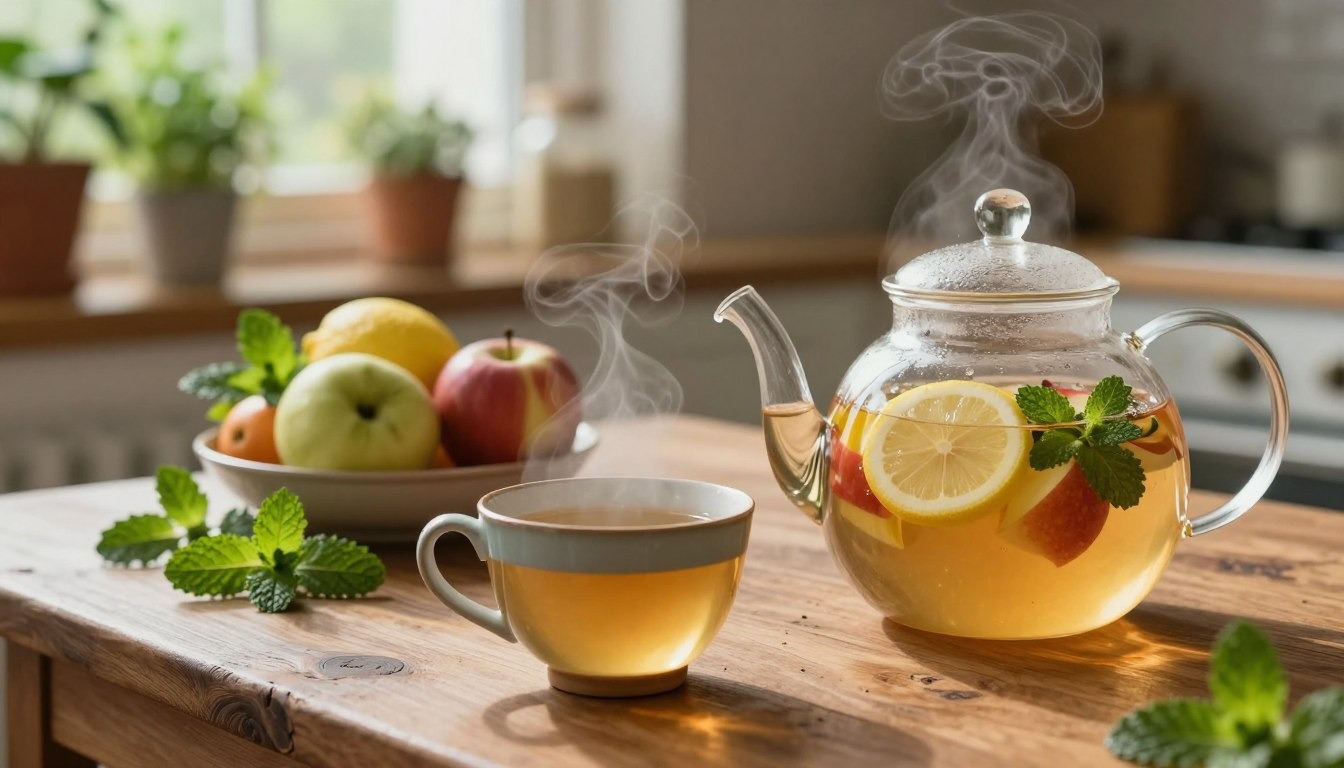
For beginners, Babeltee is best understood through its beverage use: a customizable brewed tea drink with fruit or herbs. You can serve it warm or iced, and sweetener is optional.
The word has no widely accepted definition. Online, it appears in tea-related content, fashion, branding, and on unrelated websites, so its meaning depends on context.
In beverage recipes, it describes a drink built around brewed tea and fruit or herbs. Steeping means soaking tea in hot water to draw out flavor. The drink has no single official formula, so your first glass can be simple and adjusted to your taste.
You might want a bright citrus flavor, a gentle herbal note, or just a little sweetness. Starting with a tea you already like makes getting started feel familiar, not fussy. If you want a lighter drink tailored to your taste, this beverage version is an easy place to begin.
What Is Babeltee, and How Does It Differ From Bubble Tea?
A cup with chewy tapioca pearls is the clearest sign that you are drinking bubble tea, often called boba, rather than a fruit-and-herb-focused Babeltee. The texture is the difference most beginners notice first.
Babeltee and bubble tea are not established as synonyms. Recipes for the first usually center on lighter tea with fruit or herbs, while bubble tea often pairs tea with milk, flavoring, and chewy pearls.
For a fruit-and-herb drink, look for brewed tea and fresh flavorings; for chewy pearls, choose bubble tea.
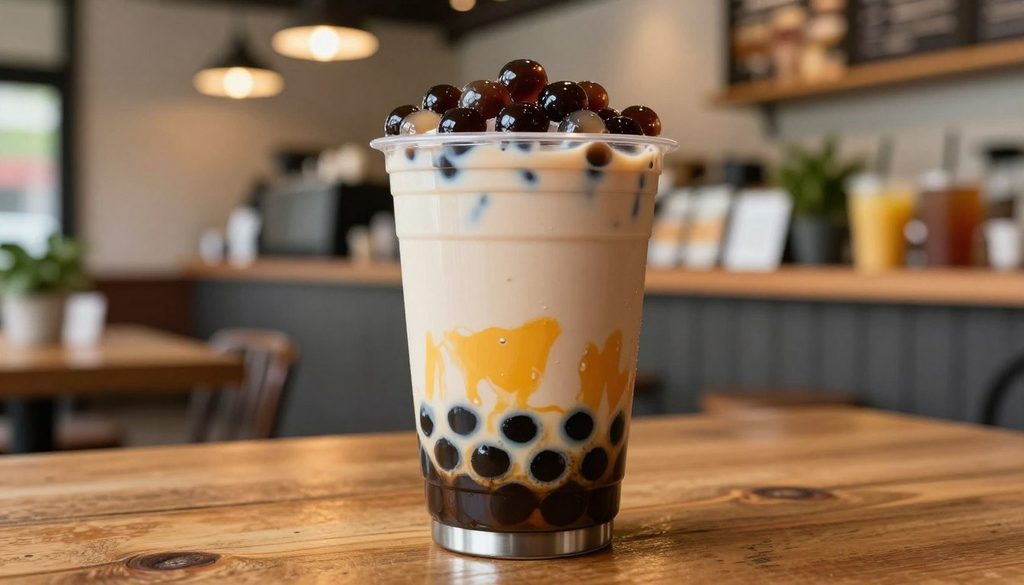
The tapioca-pearled drink
Bubble tea originated in Taiwan in the 1980s. Its mix of tea, flavoring, and tapioca pearls gives the drink a chewy bite that a fruit-and-herb tea usually lacks.
Some versions also include milk, while others use a fruit flavor. The exact mix can change, but the pearls remain a familiar feature. They are usually sipped through a wide straw.
Where boba fits
In the United States, people commonly use boba as another name for bubble tea. The word can also refer to the tapioca pearls themselves, so the meaning depends on how someone uses it.
For a tea drink comparison, focus on what is in the cup rather than its label. Fruit and herbs point toward the lighter style; milk and tapioca pearls point toward bubble tea. Check for tapioca pearls if you specifically want the chewy texture associated with bubble tea.
How to Customize Your First Glass
Start with a tea whose flavor you already enjoy, then adjust the fruit, herbs, and sweetness around it. A familiar base makes a beginner tea drink easier to balance.
Tea type and brew strength affect caffeine, so the amount in your glass can vary. The FDA says up to 400 mg of caffeine a day is generally not associated with negative effects for most healthy adults.
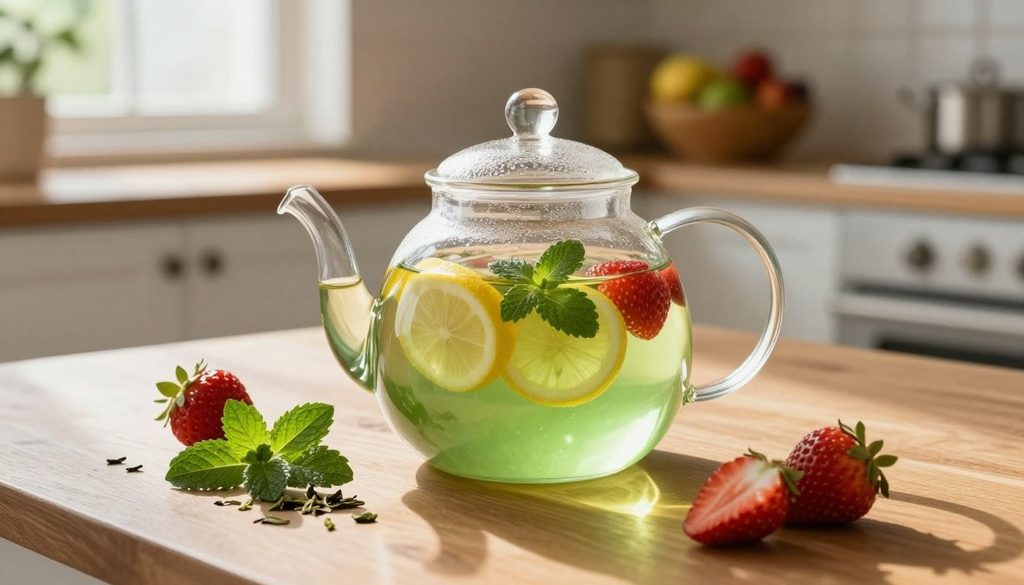
Choose a tea base
Black, green, and white tea all work as brewed tea bases. Herbal tea is another option, with a flavor that can feel mellow, floral, or bold.
For a caffeine-free base, choose an herbal tea that contains no black or green tea. Read the blend’s ingredients, since a mix can include more than one kind of tea.
Balance fruit, herbs, and sweetness
Fruit brings a fresh, sweet, or tart note, while herbs add their own scent and flavor. Try one fruit or herb at first, then add another only if the drink needs more character.
Build the drink in four simple steps:
- Choose black, green, white, or herbal tea as your base.
- Brew the tea, following the package directions for its type.
- Add fruit or herbs to the brewed tea and let their flavors blend.
- Taste the drink before adding optional sweetener.
Small changes can shift the balance. A tart fruit may call for a touch of sweetness, while a ripe fruit can taste pleasant on its own. If you are monitoring caffeine, count the tea in your serving toward your daily total.
Six Easy Fruit-and-Herb Tea Recipes
A simple lemon-mint batch makes about 4 glasses and gives you a straightforward first recipe to try. Use ripe fruit for a soft, fresh flavor without making the recipe more complex.
Homemade tea keeps in a sealed jar in the refrigerator for up to 2 days, because fresh fruit and herbs fade after that.
| Recipe | Tea or base | Ingredients | Method or finish |
| Lemon-mint | 4 black tea bags | 4 cups hot water, 2 tablespoons honey, juice of 1 lemon, handful of mint | Steep tea for 4 minutes; add honey, lemon, and mint. Makes about 4 glasses. |
| Peach green tea | 3 green tea bags | 1 sliced ripe peach, 1 teaspoon sugar | Steep for 2-3 minutes with peach and sugar; chill for 30 minutes. |
| Strawberry-basil | Brewed white tea | 6 sliced strawberries, 4 basil leaves | Add strawberries and basil to brewed tea. |
| Hibiscus-berry | 2 tablespoons dried hibiscus | Handful of raspberries | Steep hibiscus for 6 minutes; add raspberries. Caffeine-free. |
| Ginger-orange | 3 black tea bags | 4 thin ginger slices, orange juice, honey | Simmer ginger for 5 minutes; turn off heat, steep tea for 3 minutes, then add orange juice and honey. |
| Apple-cinnamon | 2 black tea bags | 1 sliced apple, 1 cinnamon stick, 4 cups water | Simmer apple and cinnamon in water for 10 minutes; steep tea for 3 minutes. |
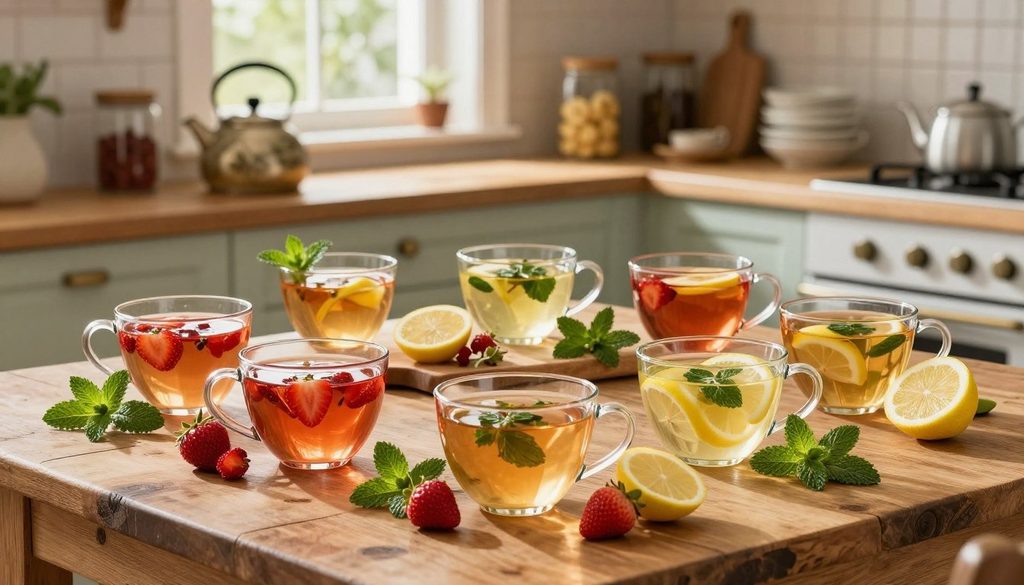
For ginger-orange tea, steep the black tea off the heat after simmering the ginger.
Serve these drinks warm or chill them, depending on the recipe and your preference. Keep the finished drink sealed and refrigerated, and use it within 2 days.
You May Also Read: Sedecordle
Conclusion
I would start with one tea base and a single fruit or herb combination, then adjust the flavor to suit you. One pairing gives you a clear sense of how each ingredient shapes the drink.
You do not need to follow one official formula to make homemade tea you enjoy. A warm cup can feel soothing, while an iced one can make fruit flavors taste crisp. Keep your first mix simple, then change one ingredient the next time you brew.
Choose flavors you already like, such as green tea with peach or black tea with lemon. That small choice is enough to make getting started easy. Pick your first pairing and make a glass warm or iced today.
FAQ
Can I make Babeltee without added sugar?
Yes, you can make it without added sugar because sweetener is optional. Taste the drink first, then decide whether it needs anything else. Fruit may already bring enough sweetness for your preference. If you do add sweetener, start with a small amount and stir it in well before tasting again.
Is herbal tea always caffeine-free?
No, herbal tea is not always caffeine-free. Some blends include black or green tea, which can add caffeine to the cup. Check the ingredient list rather than relying on the word “herbal” alone. A blend made only with caffeine-free herbs is a better choice when you want to avoid caffeine.
Can I use frozen fruit in Babeltee?
Yes, frozen fruit works in the drink. Thaw it first for a softer infusion, or add it while frozen to chill the tea. Frozen fruit may soften as it sits, so the drink’s texture can change over time. Add the fruit to the serving you plan to drink for the best texture.
Does steeping time affect the flavor?
Yes, steeping time affects the flavor. Follow the package guidance for your tea, since different types can need different brew times. Leaving tea leaves or bags in too long can make the drink taste bitter. Remove them when the tea reaches the flavor you want, then add fruit or herbs.
Can I use a different sweetener instead of honey?
Yes, sugar or another sweetener you prefer can work instead of honey. The amount depends on how sweet you like your tea and how sweet the fruit tastes. Add a little at a time, stir, and taste before adding more. You can also leave sweetener out if the drink tastes good without it.