
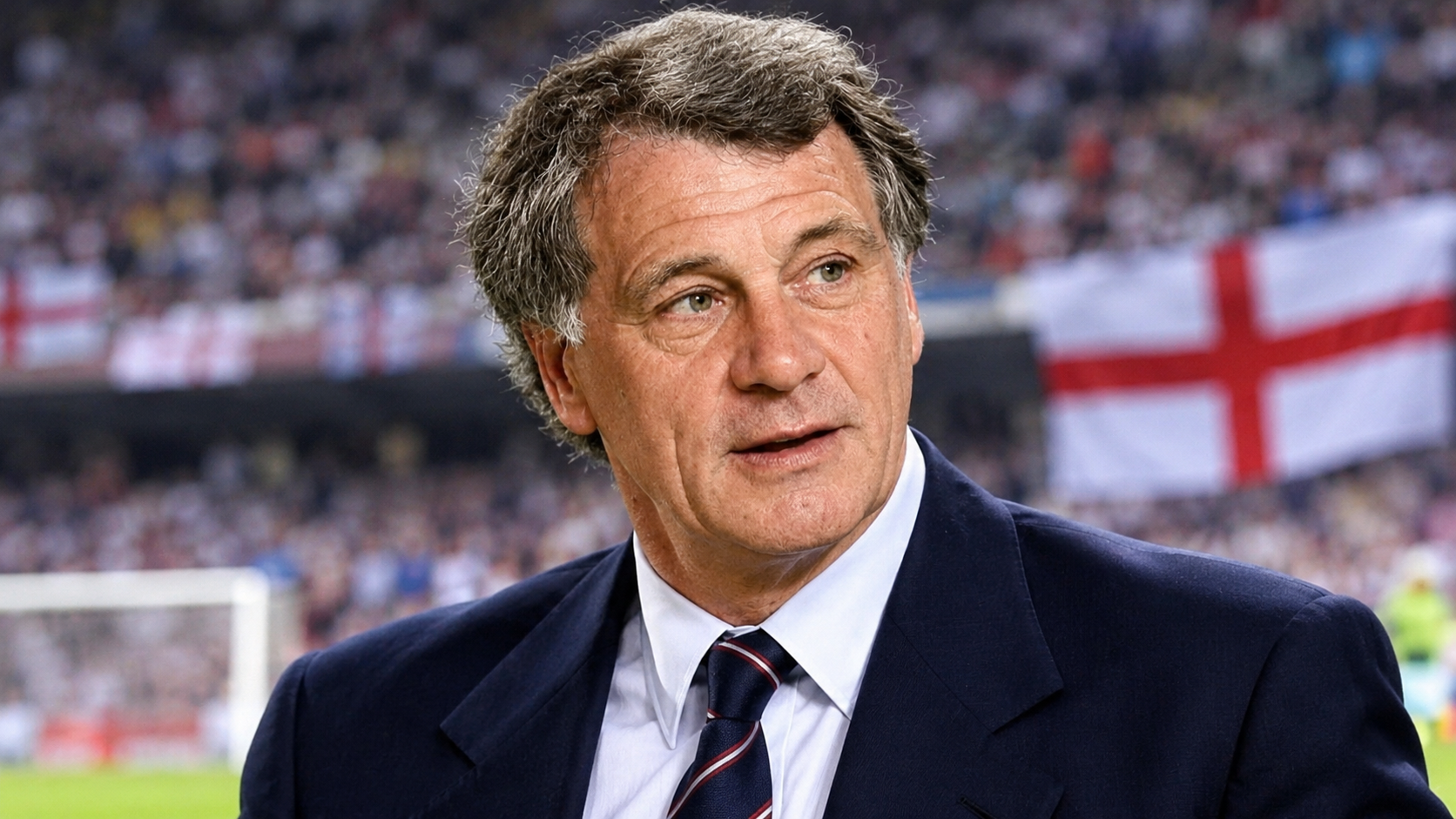
Who Was Bobby Robson?
Sir Bobby Robson was one of the most respected figures in English football, remembered for his remarkable achievements as a player, manager and ambassador for the sport. Born on 18 February 1933 in Sacriston, County Durham, Robert William Robson developed a passion for football during his childhood. His father supported Newcastle United, and young Bobby regularly watched matches at St James’ Park. Although his playing career brought him international recognition, his greatest achievements came through management. His enthusiasm, tactical understanding and ability to inspire footballers eventually made him one of England’s most admired football personalities.
Bobby Robson’s Early Football Career
Bobby Robson began his professional playing career with Fulham in 1950 after choosing the London club over other opportunities. Initially, he continued working as an electrician while developing his footballing skills, following his father’s advice about maintaining a secure profession. His performances attracted attention, and he eventually became an established first-team player. In 1956, he joined West Bromwich Albion, where his footballing reputation continued to grow. Playing mainly as an inside-forward or wing-half, Robson demonstrated excellent technical ability, attacking intelligence and leadership. These experiences provided valuable knowledge that later influenced his successful approach to football management.
Bobby Robson’s England Playing Career
Robson represented England between 1957 and 1962, earning 20 international caps and scoring four goals. His international debut came against France on 27 November 1957 at Wembley Stadium, where he celebrated the occasion by scoring twice in England’s impressive 4–0 victory. He subsequently represented his country at the 1958 and 1962 FIFA World Cups. Although England did not achieve major international success during those tournaments, the experience exposed him to different playing styles and competitive environments. His international playing career was relatively short, but representing England became an important part of his footballing identity and prepared him for his future responsibilities.
Bobby Robson Becomes Ipswich Town Manager
Bobby Robson’s managerial career reached another level when he joined Ipswich Town in 1969. He remained at the club for 13 years, transforming it into one of England’s most competitive football teams. Rather than relying exclusively on expensive signings, Robson developed talented players and built a balanced squad capable of challenging established clubs. Ipswich won the FA Cup in 1978 after defeating Arsenal 1–0 at Wembley, with Roger Osborne scoring the decisive goal. Three years later, the club achieved European success by winning the 1981 UEFA Cup against AZ Alkmaar. These accomplishments established Robson as an outstanding manager and attracted the attention of the Football Association.
Bobby Robson England Manager: His Appointment in 1982
In July 1982, Bobby Robson became England’s national team manager, succeeding Ron Greenwood following the 1982 World Cup. His appointment came with considerable expectations because England supporters wanted a manager capable of bringing international silverware back to the country. Robson inherited a talented group of footballers and began developing a team that combined experienced internationals with emerging stars. His early years were challenging, particularly when England failed to qualify for the 1984 European Championship. However, he remained committed to his footballing philosophy and continued rebuilding the squad. His leadership eventually produced two memorable World Cup campaigns that secured his place in English football history.
England’s Journey at the 1986 FIFA World Cup
The 1986 FIFA World Cup in Mexico provided Bobby Robson with an opportunity to demonstrate his managerial abilities on the international stage. England experienced a difficult opening, drawing attention to the pressure surrounding the national team and its manager. Following defeats in confidence and criticism from supporters, Robson made important tactical adjustments before the match against Poland. England responded with an impressive 3–0 victory, with Gary Lineker scoring a hat-trick. The team subsequently reached the quarter-finals, where Argentina defeated England 2–1 in a controversial match featuring Diego Maradona’s famous Hand of God goal. Despite the disappointment, Robson earned considerable respect for his determination and management.
Bobby Robson and England’s Famous 1990 World Cup Campaign
The 1990 FIFA World Cup in Italy remains one of the most memorable chapters in Bobby Robson’s England career. His team progressed through the competition with determination, teamwork and impressive defensive organisation. Players such as Gary Lineker, Peter Shilton, Paul Gascoigne, David Platt and Terry Butcher played important roles in the campaign. England defeated Belgium in the last 16 through David Platt’s dramatic extra-time winner before overcoming Cameroon in the quarter-finals. Their journey ended in the semi-finals against West Germany, when England lost in a penalty shoot-out following a 1–1 draw. Finishing fourth represented England’s best World Cup performance away from home at that time.
Bobby Robson’s Managerial Career After England
After leaving the England position in 1990, Robson continued his managerial career across Europe, demonstrating that his abilities extended far beyond international football. He joined PSV Eindhoven in the Netherlands, winning consecutive Eredivisie titles in 1991 and 1992. He subsequently managed Sporting CP and FC Porto in Portugal, collecting further domestic honours, including consecutive league titles with Porto. In 1996, he moved to Barcelona, where he won the Copa del Rey, Spanish Super Cup and European Cup Winners’ Cup. These achievements strengthened his international reputation and demonstrated his ability to adapt to different football cultures, languages and tactical approaches.
Bobby Robson’s Return to England with Newcastle United
In September 1999, Bobby Robson returned to English football when he became manager of Newcastle United, the club he had supported since childhood. The appointment was particularly meaningful because he finally had the opportunity to manage his beloved boyhood team. Newcastle had experienced a difficult beginning to the season, but Robson quickly improved performances and restored confidence among supporters. Under his leadership, the club qualified for the UEFA Champions League and became competitive in domestic and European competitions. His relationship with players and fans made him an important figure at St James’ Park. He remained manager until 2004, leaving behind a lasting impression.
Bobby Robson’s Personal Life, Illness and Charity Work
Away from football, Bobby Robson was known for his family values, generosity and positive attitude towards life. He married Elsie Gray in 1955, and the couple had three sons together. During his later managerial years, Robson faced several serious health challenges, including cancer, but continued working whenever his condition allowed. In 2008, he established the Sir Bobby Robson Foundation to support research into cancer detection and treatment. His charity work reflected his desire to help other people facing difficult circumstances. He passed away on 31 July 2009, aged 76, leaving behind an extraordinary contribution to football and charitable causes.
Why Bobby Robson Remains an England Football Legend
Bobby Robson’s importance to English football goes beyond the trophies and tournament results he achieved throughout his career. His England team reached the 1986 World Cup quarter-finals and the 1990 semi-finals, giving supporters unforgettable memories and renewed belief in the national side. He was widely admired for treating players with respect, encouraging attacking football and maintaining a positive attitude during challenging periods. His influence also extended to younger managers and football professionals who appreciated his experience and understanding of the game. Knighted in 2002 for his services to football, Robson remains an enduring symbol of dedication, sportsmanship and English football excellence.
Frequently Asked Questions About Bobby Robson England
1. Who was Bobby Robson in England football?
Bobby Robson was an English footballer and manager who led the England national team between 1982 and 1990. He became particularly famous for guiding England to the 1990 FIFA World Cup semi-finals in Italy. Before managing the national side, he enjoyed considerable success with Ipswich Town, winning the FA Cup in 1978 and UEFA Cup in 1981. His achievements made him one of the most respected managers in English football history.
2. How many World Cups did Bobby Robson manage England in?
Bobby Robson managed England at two FIFA World Cups, in 1986 and 1990. England reached the quarter-finals in Mexico in 1986 before progressing to the semi-finals in Italy four years later. The 1990 campaign was particularly memorable because England reached the last four for the first time since winning the competition in 1966. They eventually finished fourth after losing their semi-final against West Germany on penalties.
3. Why did Bobby Robson leave the England job?
Bobby Robson left the England managerial position after the 1990 World Cup when his contract was not renewed by the Football Association. Following his departure, he accepted an opportunity to manage PSV Eindhoven in the Netherlands. He subsequently worked with several major European clubs, including Sporting CP, FC Porto and Barcelona, before returning to England to manage Newcastle United.
4. When did Bobby Robson die?
Sir Bobby Robson died on 31 July 2009, aged 76, following a long battle with cancer. He passed away at his home in County Durham, surrounded by his family. His death prompted tributes from footballers, managers, supporters and sporting organisations around the world. His charitable foundation continues the work he began to support cancer research and treatment.
You May Also Read: Sedecordle
Conclusion
Bobby Robson’s story remains an important part of England’s footballing history, combining sporting achievements, exceptional leadership and genuine personal character. From his early playing days at Fulham and West Bromwich Albion to his memorable England managerial career, he consistently demonstrated his passion for the beautiful game. His 1990 World Cup campaign remains a defining moment for English football, while his achievements with Ipswich Town and major European clubs further established his reputation. Beyond football, his charitable contribution through the Sir Bobby Robson Foundation strengthened his legacy. Today, he is remembered not simply as a successful manager but as one of England’s greatest football gentlemen.