
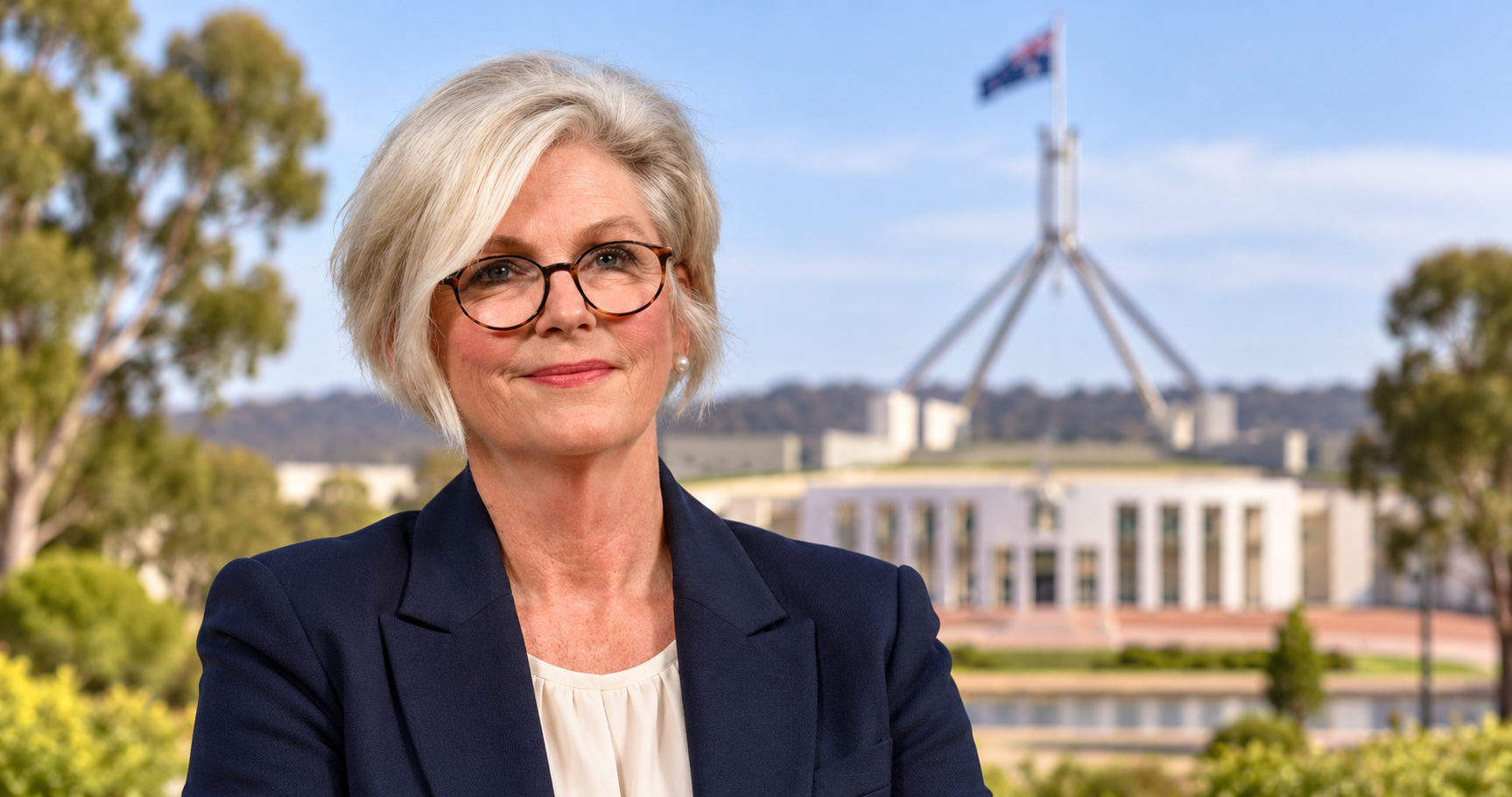
Who Is Helen Haines?
Helen Haines is an Australian independent politician whose career connects rural healthcare, community representation and parliamentary reform. She represents Indi in Victoria in the federal House of Representatives, having first won the seat in 2019 and secured re-election in 2022 and 2025. For readers in the United Kingdom, understanding her role begins with a straightforward distinction: she serves in Australia’s national parliament, where she represents a regional constituency rather than a political party. Her public priorities include government integrity, accessible healthcare and renewable energy, making her a useful figure through whom to understand the concerns shaping independent representation in Australia.
Her Background in Nursing and Research
Before entering politics, Haines built a professional career as a nurse, midwife, researcher and academic, working extensively in rural health. Her official biography describes growing up on a dairy farm near Colac, training at St Vincent’s Hospital and later leading midwifery services in Wangaratta. She also completed postgraduate study in public health and a doctorate in medical science, providing the background to her professional title of doctor. This experience helps explain her interest in how public policy affects regional communities, particularly when residents face difficulties accessing services that people living in larger cities may find easier to reach and use.
Why Government Integrity Matters to Her
Government integrity is central to Helen Haines’s political work, including her advocacy for stronger scrutiny of public spending and transparent decisions. Her published proposals address grant allocation, parliamentary reporting and protections for whistleblowers, alongside changes to the rules governing public hearings at the National Anti-Corruption Commission. These subjects concern how government exercises power and how citizens can assess whether decisions serve the public interest. Readers should distinguish between reforms she advocates and measures parliament has enacted, because introducing a proposal, securing support and implementing legislation are separate stages, each requiring evidence before an achievement can be attributed to any politician.
Her Approach to Climate and Regional Communities
On climate and energy, Haines supports the transition towards renewable electricity while arguing that regional communities should influence projects affecting their surroundings. Her policy material emphasises early consultation, environmental protections and opportunities for residents to share in the benefits of development. This creates an important connection between national emissions ambitions and practical local questions about land, infrastructure, employment and community funding. Understanding her position therefore requires looking beyond whether she supports renewable energy in principle, towards the conditions she says should govern its expansion and the arrangements intended to ensure that host communities receive meaningful benefits over the longer term.
FAQ: Which Electorate Does Helen Haines Represent?
Helen Haines represents Indi, a federal electorate in the Australian state of Victoria, in the House of Representatives in Canberra. She entered parliament after the retirement of independent MP Cathy McGowan, continuing the constituency’s independent representation following the 2019 election. The parliamentary record lists election victories in 2022 and 2025, establishing that her original success was followed by renewed support at subsequent national polls. For British readers, an electorate is broadly comparable to a parliamentary constituency, although Australia’s electoral arrangements differ, so comparisons should focus on the representative role rather than assuming that voting procedures or parliamentary conventions are identical.
FAQ: Is Helen Haines a Member of a Political Party?
Helen Haines sits as an independent, meaning she does not represent the Australian Labor Party, Liberal Party or another registered party in parliament. Independent status allows her to assess legislation without following a major party’s voting position, although she can support proposals advanced by different political groups. Her stated approach centres on the interests of Indi and the wider Australian public, rather than loyalty to a party organisation. To understand how that works in practice, readers can examine her published voting information, parliamentary contributions and proposed amendments, which provide more useful evidence than broad assumptions about how independents always vote.
FAQ: Why Is Helen Haines Called Doctor?
The title Dr reflects Helen Haines’s academic qualifications, including a doctorate in medical science, rather than identifying her as a practising medical physician. Her healthcare career developed through nursing, midwifery, research and academic work, giving her experience across clinical services and the study of health outcomes. This distinction matters when reading political biographies because the same professional title can describe different qualifications and areas of expertise. In her case, the relevant background combines rural healthcare work with postgraduate education, helping readers understand both the origin of her title and the experience she brought into public life before becoming a representative.
FAQ: What Are Her Main Policy Priorities?
Helen Haines’s published priorities cover integrity, health and aged care, regional housing, the cost of living, early education and regional development. Climate and energy feature prominently, particularly the relationship between renewable projects and the communities hosting them. These themes overlap: housing availability can affect recruitment, energy costs influence household budgets, and public spending decisions determine which local services receive investment. For anyone assessing her record, the most informative approach is to connect a specific policy commitment with a documented parliamentary action or confirmed outcome, while keeping proposed changes separate from completed programmes and recognising the contribution of other decision makers.
FAQ: Where Can You Find Reliable Information About Her?
Readers can follow Helen Haines through her official parliamentary profile, speeches, policy pages and published explanations of how she votes. Her website also provides contact details for electorate offices in Wangaratta and Wodonga, alongside resources intended to help constituents navigate practical concerns. Parliamentary records are useful for checking election history and formal proceedings, while her own website explains her priorities from her perspective as an elected representative. Reading both types of material together helps distinguish institutional information from political interpretation, allowing a clearer assessment of what she has proposed, supported or achieved without relying solely on promotional descriptions or headlines.
You May Also Read: Sedecordle
Conclusion
Helen Haines’s career brings together rural healthcare experience, independent representation and interest in the standards governing public life. Her work is best understood through three connected questions: how regional Australians access essential services, how communities participate in economic and environmental change, and how government remains accountable for its decisions. For UK readers, her example offers an accessible introduction to the role an independent constituency representative can play in Australia’s federal parliament. Assessing her contribution means considering evidence, legislative progress and local outcomes together, while recognising that policy proposals and political claims need checking before they become statements of established fact.