

Wenrath is a word that many people search for, but few can explain. It has no verified dictionary meaning. It is not the name of a software platform, a cryptocurrency, or a lifestyle concept. The most likely explanation for the word is much older and much more ordinary: it is a place name, and the closest geographical match is a small locality in Germany called Wehnrath — spelled with an “h”. This article explains what Wenrath means, where the name comes from, what Wehnrath is, and why the same spelling also turns up as a surname and a username.
What Does Wenrath Mean?
The short answer is that Wenrath has no verified dictionary meaning. You will not find it in a standard English dictionary, and you will not find it in a standard German dictionary either. It is not a word with an established definition. That does not mean the word came from nowhere. Most searches for “Wenrath” are really searches for a name — a place, a family name, or a username — rather than for a word with a meaning. And when you look for the name, the closest match is clear: Wehnrath, a locality in the municipality of Reichshof, in North Rhine-Westphalia, Germany. The difference between the two spellings is a single letter: Wehnrath has an “h” after the “W”, while Wenrath does not. Wehnrath is the modern official spelling. Wenrath is the older, simplified variant of the same name. That is why the two spellings appear side by side in searches, in old records, and in family histories.
Wenrath Origin: A Name From 1357
The history of the name goes back a long way. The earliest recorded form of the name is “Wenegenroede”, which appears in a record from 1357. That is nearly 670 years ago, and it tells us something important: this is a medieval place name, not a modern invention. The ending of the name is the key to its meaning. The “-rath” ending comes from the Middle High German word “roden”, which means to clear forest land. In medieval Germany, when settlers cleared a patch of forest to build a farm or a village, the new settlement was often given a name ending in “-rath”, “-rode” or “-reuth”. The name was, in effect, a description of how the place came to be: land that had been cleared from the forest. That pattern is common across western Germany. There are many villages with names ending in “-rath”, and they share the same history: forest, clearing, settlement. Wenrath — or Wehnrath — is one of them. The first part of the name, “Wen-“, is harder to pin down with certainty. It may come from a personal name, or from a description of the place. What is clear is the overall shape of the story: a medieval forest clearing that became a settlement, and a name that has survived, in one spelling or another, for almost seven centuries.
Where Is Wehnrath?
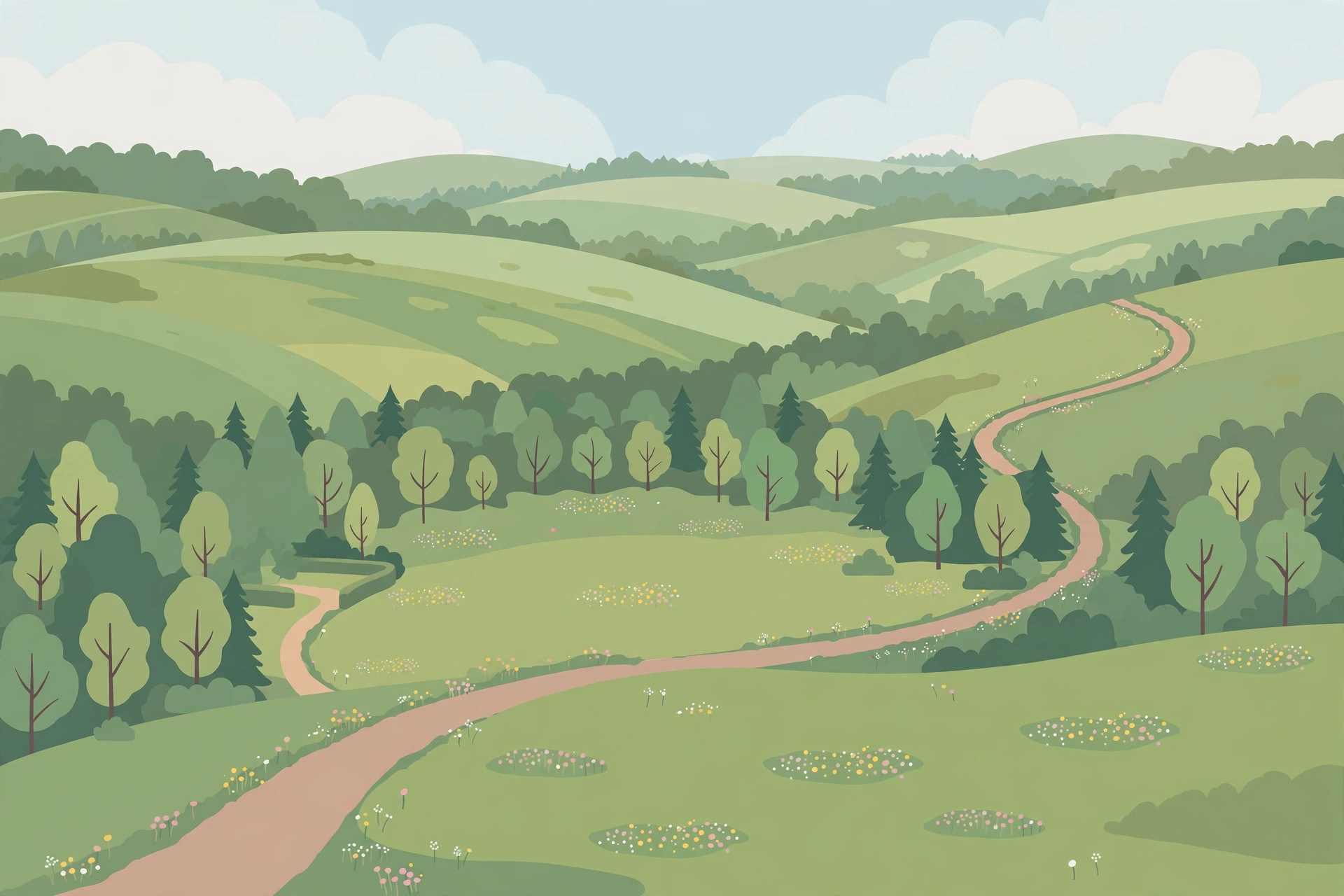
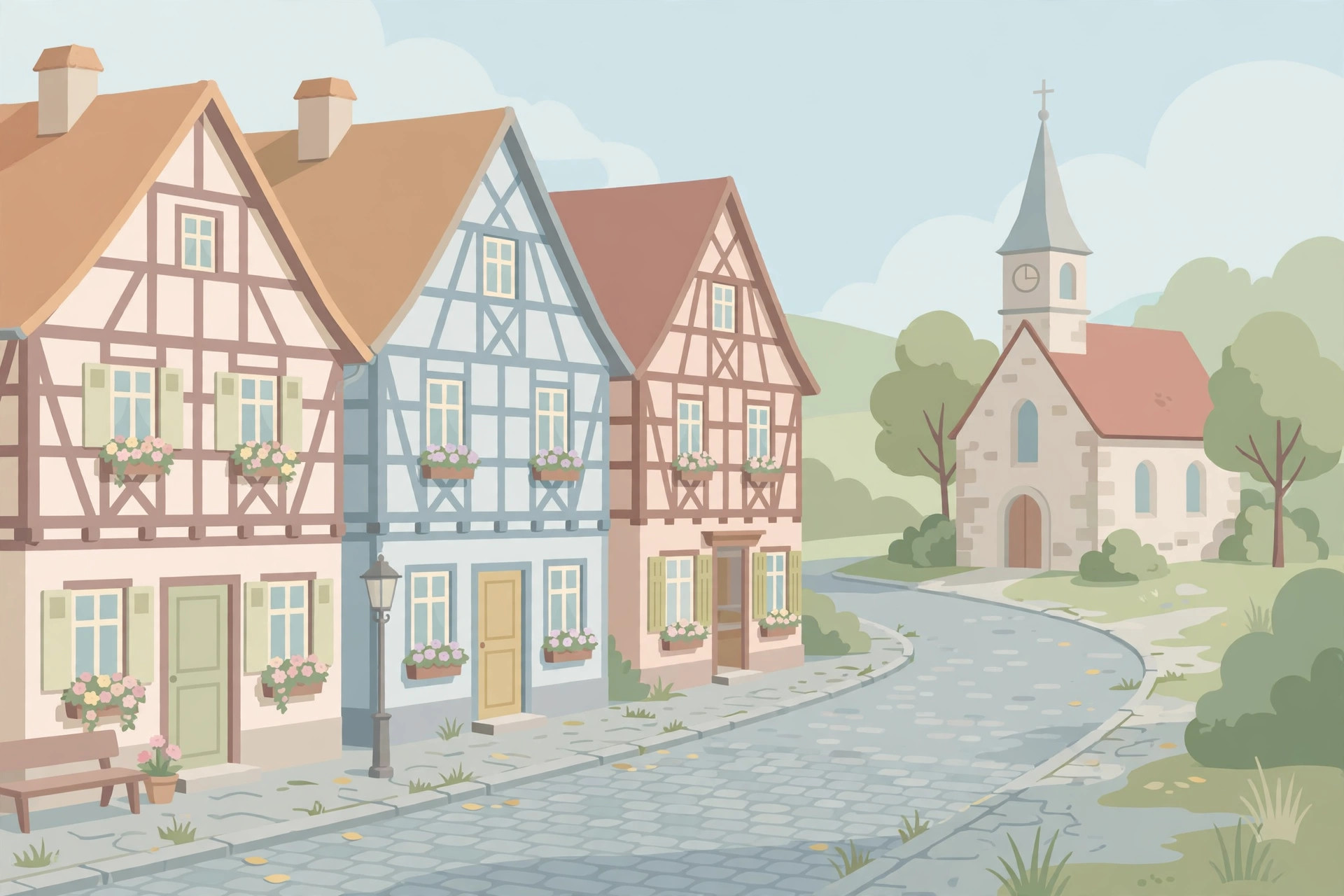
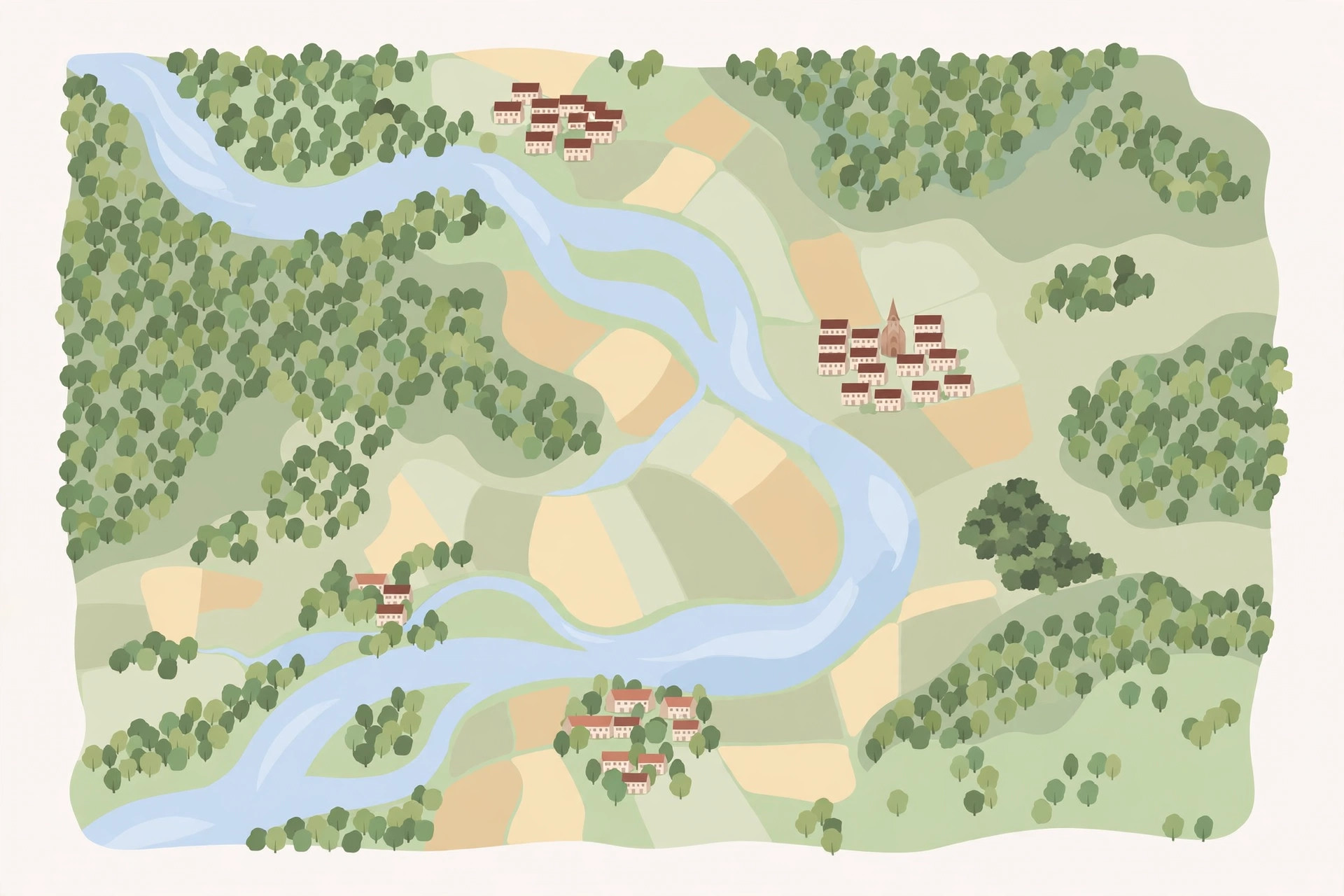
Wehnrath is a locality in the municipality of Reichshof, in the state of North Rhine-Westphalia, Germany. It sits roughly 40 kilometres east of Cologne, in a hilly, green part of the country, and its postcode is 51580. It is a small place. Wehnrath has roughly 286 residents, which makes it a village rather than a town. It is the kind of settlement that most people would drive through without noticing — a cluster of houses, a church, and the surrounding fields and forest. But small does not mean unimportant. Wehnrath also has a commercial district, known as Gewerbegebiet Wehnrath, which gives the locality an economic role beyond its size. And it is home to a company that cyclists around the world will recognise: Schwalbe, the bicycle tyre brand, whose parent company Ralf Bohle GmbH has its headquarters in Wehnrath. That is a striking contrast. A village of fewer than 300 people is the headquarters of a brand whose tyres are sold in bike shops across the world. It is a reminder that in Germany, small places and global businesses often sit side by side.
Wehnrath and the Schwalbe Bicycle Tyre Brand
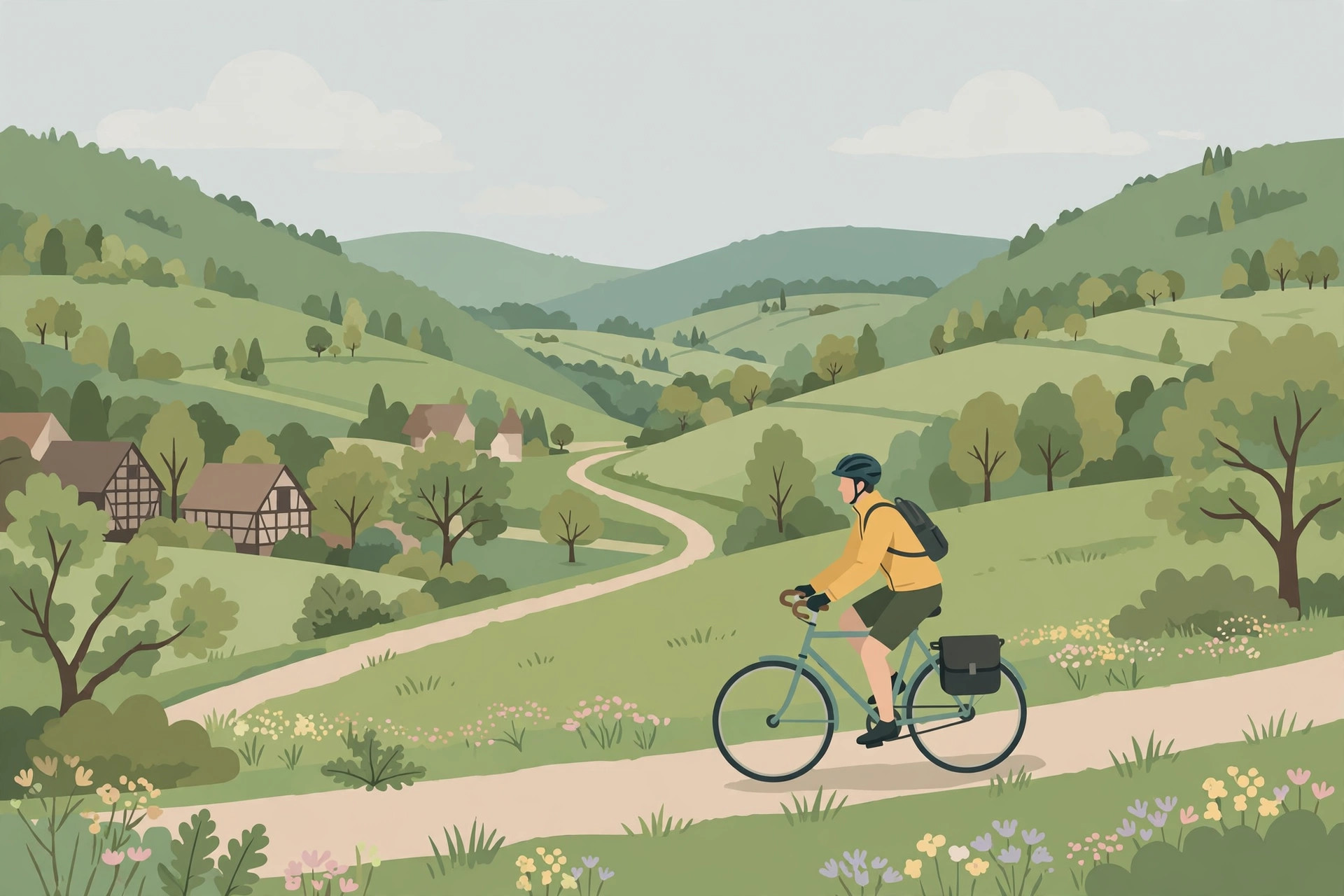
For many people outside Germany, the name Wehnrath is most likely to appear in connection with Schwalbe bicycle tyres. Schwalbe is a well-known brand among cyclists, and its parent company, Ralf Bohle GmbH, is based in Wehnrath. The company’s presence in the village is a matter of public record, and it is one of the reasons the name Wehnrath appears in business directories, company registrations and trade listings. If you have ever searched for a tyre company and found the name Wehnrath, this is why.
Wenrath as a Surname and Username
The name does not only belong to a place. Wenrath also turns up as a surname, and as a username on social media and other platforms. That is normal for a place name. Families took their names from the places they came from, and a family called Wenrath may well have ancestors from Wehnrath, or from another settlement with a similar name. Over time, the surname travelled, while the village stayed where it was. As a username, Wenrath is the kind of name people choose because it sounds distinctive and is not already taken. It has no established meaning as a username, and it should not be read as one. If you have seen “Wenrath” as a username, it is most likely a personal choice — perhaps a family name, perhaps a reference to the place, perhaps simply a name that sounded good.
What Wenrath Is Not
Because the word has no dictionary meaning, it has attracted a certain amount of speculation online. It is worth being clear about what Wenrath is not. It is not a software platform — there is no verified software product, app or online service called Wenrath. It is not a cryptocurrency — there is no verified coin, token or blockchain project with this name. It is not a lifestyle concept — it is not a diet, a wellness trend, a fashion style or a philosophy. It is not a common English word — it does not appear in standard English dictionaries, and it has no established English meaning. If you see Wenrath described as any of those things, treat the claim with caution. The verified facts point in a different direction: a medieval German place name, a small village near Cologne, and a surname that grew out of it.
Why Do People Search for Wenrath?
People search for a word like Wenrath for different reasons. Some may have seen it as a surname and want to know where it comes from. Some may have seen it as a username and wondered what it means. Some may have come across the place name in a business listing, a company address, or a cycling product, and wanted to know where it is. There is also a simpler reason: unusual words attract curiosity. A word that looks German, has no obvious English meaning, and turns up in different contexts is exactly the kind of word people type into a search engine. The answer, in this case, is satisfying precisely because it is ordinary: a small village, a forest clearing, and a name that has survived for almost 700 years. That ordinariness is part of the story. Not every searched word is a brand, a trend or a mystery. Some are just old names, quietly persisting in a corner of Germany, in a family history, or in a username.
Wenrath and Wehnrath: Which Spelling Is Correct?
If you need to write the name, the modern official spelling is Wehnrath, with an “h”. That is the spelling used for the locality in Reichshof, and it is the spelling you will find on maps, in official records, and in the address of the companies based there. Wenrath, without the “h”, is the older and simplified variant. It is the spelling that appears in older records, in some family names, and in many searches. It is not wrong in the sense of being a different name — it is the same name, in an older form. But if you are writing about the place itself, Wehnrath is the spelling to use. For search purposes, the two spellings are often used interchangeably, and search engines usually understand that they refer to the same thing. That is why an article about Wenrath needs to explain Wehnrath, and why anyone searching for either spelling should find the same answer.
Wenrath: The Verdict
Wenrath has no verified dictionary meaning, and it is not a software platform, a cryptocurrency or a lifestyle concept. Its closest match is Wehnrath, a small locality in Reichshof, North Rhine-Westphalia, Germany, roughly 40 kilometres east of Cologne, with roughly 286 residents and a commercial district called Gewerbegebiet Wehnrath. The name’s history goes back to at least 1357, when it was recorded as “Wenegenroede”. The “-rath” ending comes from Middle High German “roden”, meaning to clear forest land — a reminder that this village began as a clearing in the forest. The modern official spelling is Wehnrath; Wenrath is the older, simplified variant. The name also survives as a surname and as a username, and the village is home to the headquarters of the Schwalbe bicycle tyre brand. It is a small story, but a satisfying one: a word with no dictionary entry, explained by a village, a forest clearing, and nearly seven centuries of history.
Frequently Asked Questions
Q: What does Wenrath mean?
A: Wenrath has no verified dictionary meaning. It is best understood as a place name. Its closest match is Wehnrath, a locality in Reichshof, North Rhine-Westphalia, Germany, and the “-rath” ending comes from Middle High German “roden”, meaning to clear forest land.
Q: Where is Wenrath?
A: The place behind the name is Wehnrath, a locality in the municipality of Reichshof, North Rhine-Westphalia, Germany, roughly 40 kilometres east of Cologne, with the postcode 51580 and roughly 286 residents.
Q: What is the origin of the name Wenrath?
A: The earliest recorded form of the name is “Wenegenroede” from 1357. The “-rath” ending comes from the Middle High German word “roden”, meaning to clear forest land, which reflects how the settlement began as a clearing in the forest.
Q: Is Wenrath a software platform or cryptocurrency?
A: No. Wenrath is not a software platform, a cryptocurrency or a lifestyle concept. It is a place name, and it also turns up as a surname and a username.
Q: What is the difference between Wenrath and Wehnrath?
A: Wehnrath, with an “h”, is the modern official spelling of the locality in Germany. Wenrath, without the “h”, is the older, simplified variant of the same name.
You May Also Like
Sedecordle: How to Play, Rules & Winning Tips
Wenrath Origin, Meaning and History on People Magazines