
Vitilinox is a name linked with pigmentation claims, but the name alone does not establish a proven vitiligo treatment. Repigmentation means the return of pigment to skin that has lost color.
Visible skin changes can affect confidence, relationships, daily activities, and emotional health. Some people with vitiligo report anxiety, depression, or stigma, while others may not want treatment.
A buyer needs to separate a commercial name from a product claim and evidence of benefit. Those are different things, even when a product is sold for a specific skin condition.
I would verify the exact product and its label before treating a commercial name as a medical answer.
Vitilinox and Vitilox Are Not Interchangeable Names
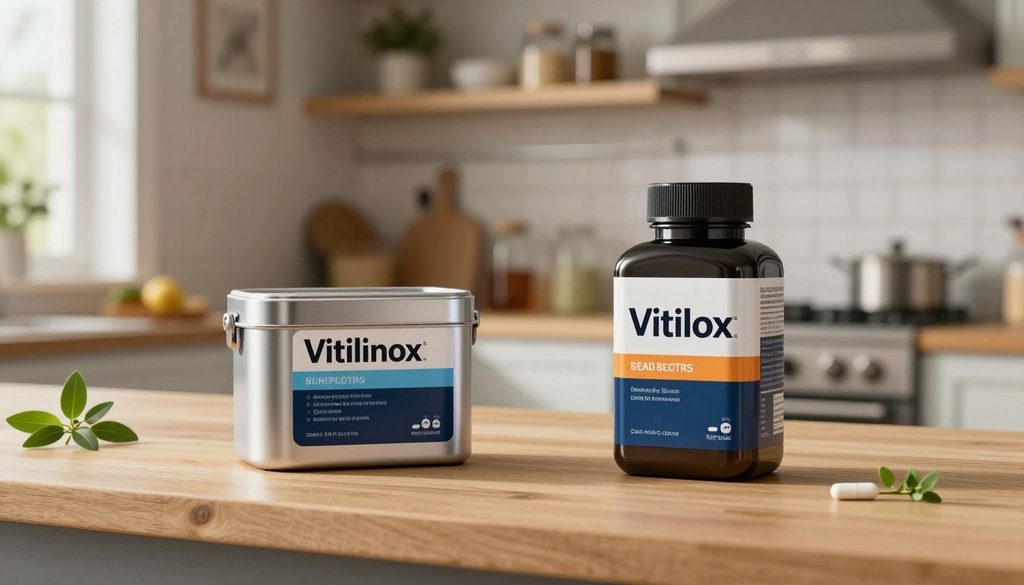
A buyer should not assume Vitilinox and Vitilox identify the same product just because their spellings are close. The spelling on the item matters, because Vitilinox is the Indian trademark spelling and product listings use Vitilox.
A familiar-looking name does not prove that two products share a maker, formula, or medical evidence. Vitilox vitiligo listings may appear beside Vitilinox references, but that pairing does not establish a verified connection.
Curatio Health Care (I) Private Limited filed Indian trademark applications 3794236 and 3794237 on April 2, 2018. They covered Classes 3 and 5, which include cosmetics and medicinal or pharmaceutical preparations.
Those categories describe goods a trademark may cover. They do not prove that a specific cream was made, sold, or tested under that mark.
Do not treat a trademark category as proof that a particular product exists or has a verified maker.
Torrent Pharmaceuticals acquired Curatio Health Care on October 14, 2022. That acquisition does not verify that a website selling a similarly named item connects to Torrent.
A seller may use a familiar spelling without showing a clear link to the trademark holder. A product page and a company history answer different questions.
Check whether the package names a manufacturer, and whether that identity matches the seller’s claims. Match the name on the package to the manufacturer’s identity before relying on a trademark connection.
Products Marketed Under the Vitilox Name
Vitilox listings describe several different products, so a buyer should identify the exact item before judging its purpose. The product name alone does not show that all items share a formula or role.
The pigmentation cream, maintenance serum, and cover cream serve different stated purposes. A listing’s wording describes marketing, not an independently established medical benefit.
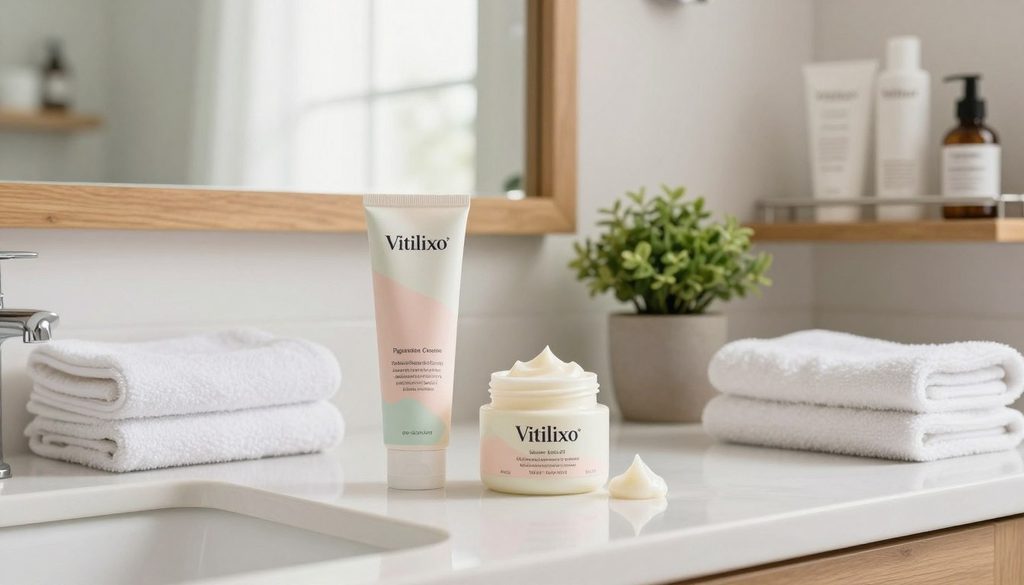
Vitilox Pigmentation Cream and Maintenance Serum
Vitilox Pigmentation Cream is marketed for pigmentation concerns and repigmentation. The Vitilox Maintenance Serum is described for use after pigmentation returns.
These are topical items, but their stated roles differ. The cream is presented as supporting pigment return, while the serum is positioned for maintenance.
Some listings use phrases such as vitiligo rejuvenating cream or Vitilox vitiligo rejuvenating cream. “Rejuvenating cream” is a product description, not proof that the skin’s pigment will return.
Cover Cream and Companion Products
Vitilox Cover Cream is presented as cosmetic coverage for patches, rather than as a pigmentation treatment. Its kit includes setting powder and a brush.
Vitilox Vitamin B12 and Folic Acid and T-Cell-V are separately marketed companion products. Their presence beside a cream does not confirm that they treat vitiligo.
| Product | Format or contents | Stated purpose | How its role differs |
| Vitilox Pigmentation Cream | Topical cream | Marketed for pigmentation concerns | Presented for pigment support |
| Vitilox Maintenance Serum | Topical serum | Described for use after pigment returns | Positioned for maintenance |
| Vitilox Cover Cream | Cover cream, setting powder, and brush | Cosmetic coverage | Conceals patches rather than treating pigment loss |
A cover product can conceal a patch without showing that the underlying skin has repigmented.
Ingredients Listed for Vitilox Pigmentation Cream
The Vitilox Pigmentation Cream ingredient list includes oils, emollients, and other named formula components. The listed formula names 11 ingredients, but a list alone does not show how a product works.
A listed ingredient does not establish a clinical effect on skin pigment. The package for the item in hand is the best label to inspect, especially when its name differs from the online listing.

The Listed Formula
The listed ingredients can be grouped by their names and types. The description includes lipoproteins, vitamin E, lanolin, and oligoelements.
- Vitamin E and lipoproteins
- Lanolin and oligoelements
- Avocado oil, Kalahari melon oil, and grapeseed oil
- Vegetable glycerine, emulsifying wax, and xanthan gum
- Shea butter
That list covers the oils, cream vitamins, and other named components in the product description. It does not confirm that every package has the same formula.
What to Verify on the Package
Check the product name, manufacturer, ingredient panel, and any use warnings on the actual package. Online descriptions can be incomplete or refer to a different item.
Botanical and “natural” ingredients can still be unsuitable for an individual. A person’s allergy history and skin response matter as much as the ingredient’s source.
If the product label does not match the product you intended to buy, do not rely on the online ingredient description.
Vitilinox Uses and Potential Benefits
The main claimed benefit is that Vitilox Pigmentation Cream may support repigmentation, but that claim is not proof of a clinical result. Marketing language describes an intended use, not a measured treatment outcome.
Claims about pigment return, stopping vitiligo spread, or supplement effects are not proven outcomes for a verified Vitilinox formula. Product listings use Vitilox, and that spelling does not establish a tested Vitilinox formulation.
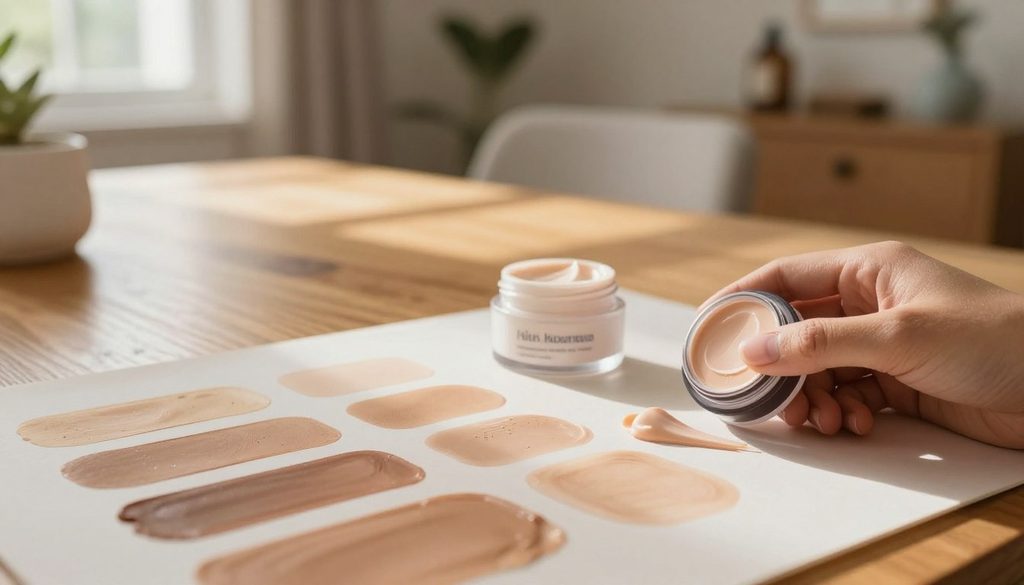
The pigmentation cream is marketed for pigment support, while the Cover Cream is meant to change appearance. Vitamin B12 and Folic Acid and T-Cell-V are separate companion products.
These roles should not be blended into one treatment claim. A cream that conditions dry skin may help with comfort, but skin conditioning is different from restoring pigment.
Customer anecdotes and confident advertising cannot show that a product caused repigmentation. A person’s skin may change over time, and other treatments or conditions may affect what appears in a photo.
A cosmetic cover product can still be useful for concealing a patch, even when it does not treat the condition. That is a real but different goal from medical treatment.
Vitiligo can affect the body in ways that are not always visible, so a buyer may value coverage, treatment, or neither. Those choices belong to the individual.
Judge a claim about restored pigment by evidence for the exact product, not by its name or intended purpose.
Applying Vitilox Pigmentation Cream
The directions vary by product description, from once daily to once or twice daily, so the package in hand matters. Follow the specific directions rather than combining instructions from different listings.
Do not treat seller directions as a prescription or as proof of a safe dose for every area. Some descriptions suggest a small amount on affected skin after bathing, when the skin is clean and dry.
The Product Directions
General directions may say once daily, while some descriptions say once or twice daily for certain areas. The product description also says the cream remains active for up to 24 hours.
These statements do not replace the label on the package you have. Ask a dermatologist before using a product on sensitive areas or when the directions are unclear.
A claim that a cream stays active for 24 hours does not mean that applying more will improve results. The description’s timing is not proof of a treatment effect.
Makeup, Cover Cream, and UVB
The directions say to apply the cream before makeup or Cover Cream. That is a cosmetic-use instruction about layering products.
Some product descriptions also mention use alongside UVB, a type of ultraviolet light treatment. That claim does not replace clinician-supervised phototherapy.
Home UVB treatment needs guidance from a clinician. The right schedule and skin monitoring depend on the person and the treatment plan.
Do not increase the application frequency beyond the instructions on the actual package.
Listed Prices and Purchase Checks
The displayed listings give a concrete starting point: $56 for the 200 mL cream and $39 for the 50 mL serum. Those are listed prices, not fixed market rates.
Confirm the full total at checkout because listings, shipping, and taxes can change the amount paid. The two prices also apply to different items and sizes.
Before paying, compare the listing with the package you expect to receive. A clear product title helps, but the seller’s full terms matter too.
Use this four-point checklist before submitting an order:
- Confirm the exact product name and size.
- Check the manufacturer and full ingredient label.
- Review shipping charges, taxes, and delivery details.
- Read accepted payment methods and return terms.
Shipping estimates and payment options may appear on separate parts of a website. Check the final order summary so that no added charge surprises you.
Keep the order confirmation and packaging until you have checked that the item matches the listing. They can help clarify a mismatch or return request.
Check the final checkout total and return terms before submitting payment.
What Buyer Reviews Can and Cannot Show
The cream listing shows 10 ratings, while the serum listing shows only one, so the scores have very different amounts of feedback behind them. Small review counts cannot predict a medical result.
The cream has a displayed rating of 4.6 out of 5 from 10 reviews; the serum has 5 out of 5 from one review. The serum review is dated April 22, 2016.
Cream Listing Feedback
The cream’s 10 ratings include six five-star and four four-star ratings. That count describes the displayed buyer feedback, not a controlled test of treatment.
Comments about how a cream spreads, its packaging, or delivery can help assess the buying experience. They do not establish that skin pigment returned because of the product.
Positive feedback from a buyer can be useful for spotting practical details. A rating cannot show whether the same product will suit another person’s skin or condition.
Serum Listing Feedback
The serum’s single dated review is not a dependable success rate. One person’s report cannot show how often other buyers had the same experience.
A before-and-after account cannot control for lighting, other treatments, or changes over time. Those factors can make skin look different without showing what caused the change.
Feedback left by a buyer may help with delivery or packaging expectations, but it cannot replace clinical evidence. Read it as an account of one transaction, not a promise.
Use feedback to assess a buyer’s experience, not to predict your medical result.
Safety Risks and Product Limits
A product described as natural can still cause a reaction, and safety depends on the formula and the individual using it. Personal tolerance can differ even when two people use the same cream.
Read the package and consider allergies before applying a product to a larger area. Lanolin is among the listed ingredients, and lanolin or other components can trigger individual reactions.
Skin Reactions and Unverified Formulas
Topical products can cause irritation in some people, but that general risk is not a confirmed Vitilox side effect. The exact formula and a person’s skin history both matter.
Use this four-part safety check before trying a product:
- Read the full label and confirm the manufacturer.
- Review ingredients against known allergies or past reactions.
- Ask a clinician or pharmacist about medicines or planned supplements.
- Stop using the product and seek advice after a concerning reaction.
A small test on one area does not rule out every later reaction. Stop if the skin becomes painful, swollen, or unusually irritated.
Supplements and Medical Advice
Vitamin B12 and folic acid supplements need careful review, especially when a person takes medicine or has a health condition. A 2022 review of vitiligo and diet said more research is needed.
The review did not establish suitable doses or treatment duration for vitamin B12 and folic acid supplementation. A supplement label alone cannot answer what dose fits an individual.
Ask a clinician or pharmacist before adding a supplement if you take medication or have a health condition.
Established Vitiligo Treatment Options
Dermatologists can choose among topical medicines and light-based care, while OPZELURA is an FDA-approved prescription option for eligible nonsegmental vitiligo. The right choice depends on diagnosis, affected areas, and clinician assessment.
Topical corticosteroids and calcineurin inhibitors are common earlier options before topical ruxolitinib in clinical practice. No single approach fits every person or every body area.
Prescription Topical Treatments
Topical corticosteroids are medicines applied to the skin. Calcineurin inhibitors are another topical option, and a clinician can consider them based on the person and the affected area.
These prescription treatments differ from an unverified product claim. A dermatologist weighs the diagnosis, skin location, and treatment goals when discussing them.
Phototherapy
Phototherapy uses light to treat affected skin and may require two to three sessions each week. Repeated visits can be hard to fit into work, school, or family schedules.
Phototherapy is a clinician-directed option, not a reason to begin home UVB without guidance. A care team can discuss whether visits and monitoring suit the patient.
OPZELURA as a Prescription Option
OPZELURA is ruxolitinib 1.5% cream, approved by the FDA for nonsegmental vitiligo in adults and children 12 years and older. It is a prescription treatment, not another name for Vitilox.
The options have different forms and practical needs. This comparison describes their roles without ranking them.
| Treatment | Form or delivery | Established role or approval | Practical consideration |
| Topical corticosteroids | Prescription skin medicine | Common earlier treatment option | Clinician assesses the affected area |
| Calcineurin inhibitors | Prescription topical medicine | Common earlier treatment option | Choice depends on diagnosis and skin site |
| Phototherapy | Clinician-directed light treatment | Light-based care for vitiligo | May require two to three weekly visits |
| OPZELURA | Ruxolitinib 1.5% cream | FDA-approved for eligible nonsegmental vitiligo | Prescription use for adults and children 12 years and older |
A dermatologist can match an option to the diagnosis, body areas, and visit schedule a patient can manage.
Clinical Results and New Treatment Applications
The clearest quantified results here come from ruxolitinib cream trials, not from a Vitilinox or Vitilox product. Trial results describe specific patients and outcomes, not guaranteed results for every person.
At week 24, about three in ten trial participants using ruxolitinib cream reached at least 75% improvement in facial vitiligo area. Vehicle cream means a comparison cream without the active medicine.
Ruxolitinib Trial Outcomes
TRuE-V1 and TRuE-V2 were phase 3 trials with 674 patients in North America and Europe. Participants were at least 12 years old and had nonsegmental vitiligo affecting 10% or less of body surface area.
At week 24, 29.8% in one trial and 30.9% in the other reached at least 75% improvement in facial vitiligo area. The vehicle groups reached 7.4% and 11.4%, respectively.
These outcomes use a defined measure of facial improvement. They do not show that every patient had full repigmentation or that another product would produce the same result.
Longer-Term Repigmentation Results
Among patients with limited or no facial repigmentation at week 24, 54.9% reached at least 75% facial improvement by week 104 while continuing ruxolitinib cream.
Among patients with limited or no body repigmentation at week 24, 50.0% reached at least 50% body improvement by week 104 while continuing cream. These are longer-term results for those groups, not a promise of response.
| Evidence set | Time point | Facial endpoint | Body or comparator finding |
| TRuE-V1 | Week 24 | 29.8% reached at least 75% improvement | Vehicle group: 7.4% reached the facial endpoint |
| TRuE-V2 | Week 24 | 30.9% reached at least 75% improvement | Vehicle group: 11.4% reached the facial endpoint |
| Long-term extension group | Week 104 | 54.9% of those with limited or no facial response at week 24 reached at least 75% | 50.0% of those with limited or no body response at week 24 reached at least 50% body improvement |
Upadacitinib Application and Study Design
For nonsegmental vitiligo, OPZELURA directions specify a thin layer twice daily on affected areas. Treatment may cover up to 10% of body surface area.
The label limits use to one 60-gram tube per week or one 100-gram tube every two weeks. It is not recommended with therapeutic biologics, other JAK inhibitors, or potent immunosuppressants such as azathioprine or cyclosporine.
Common adverse reactions, each reported in at least 1% of patients, include application-site acne, itching, nasopharyngitis, headache, urinary tract infection, application-site redness, and fever. The label warns about basal cell and squamous cell skin cancers.
The label recommends periodic skin exams during and after treatment when appropriate. It also notes possible serious infections, blood clots, and low blood cell counts, with infection monitoring and blood counts when clinically needed.
The boxed warning describes higher rates of death, major heart events, cancers, and blood clots seen with JAK inhibitors in inflammatory-condition treatment. Those rates have not been established in vitiligo patients using this cream.
OPZELURA is for skin use only and should not enter the eyes, mouth, or vagina. In February 2026, AbbVie submitted FDA and EMA applications for upadacitinib 15 mg once daily.
The company said upadacitinib was not approved at the time of its announcement. The applications drew on two phase 3 studies with 614 people across 90 sites worldwide.
The studies measured at least 50% improvement in total-body vitiligo area and at least 75% improvement in facial area at week 48. Nonsegmental vitiligo accounts for about 84% of vitiligo patients.
Regulatory status can change, so check the current FDA and EMA status before treating an application as an approved option.
Vitiligo, Skin Cancer, and Phototherapy Findings
The available population-level findings do not support a simple claim that vitiligo itself raises every studied cancer risk. Not statistically significant does not mean a risk is zero.
A 2025 review found no statistically significant link between vitiligo and melanoma, non-melanoma skin cancer, or lymphoma. Its confidence intervals were wide, which limits how precisely the estimates can be read.
Population-Level Cancer Findings
The 2025 systematic review and meta-analysis reported a pooled melanoma hazard ratio of 0.80, with a 95% confidence interval of 0.27-2.34. For non-melanoma skin cancer, the hazard ratio was 0.38, with a 95% confidence interval of 0.00-732.76.
For lymphoma, the pooled hazard ratio was 1.00, with a 95% confidence interval of 0.40-2.53. None of those associations was statistically significant.
A 2026 meta-analysis found lower odds of squamous cell carcinoma among people with vitiligo: OR 0.76, 95% CI 0.57-0.99, with p = 0.045. That result was statistically significant, unlike the associations above.
Phototherapy Estimates
In the 2026 analysis, phototherapy exposure had a melanoma odds ratio of 1.87, with a 95% confidence interval of 0.53-6.54. For non-melanoma skin cancer, the odds ratio was 1.46, with a 95% confidence interval of 0.37-5.69.
Neither phototherapy estimate was statistically significant, and both intervals include a wide range of possible effects. Population estimates do not predict one person’s risk or replace personal medical advice.
Discuss personal skin-examination needs with a dermatologist, especially when treatment or individual risk factors are involved.
A Practical Checklist Before Buying
Before buying, I would first decide whether I want temporary coverage or medical care for pigment loss. Those are different goals, and one product cannot be assumed to serve both.
A trademark registration or seller listing does not confirm the maker, ingredients, or purpose of the package you receive. The American Academy of Dermatology describes multiple treatment options for vitiligo.
Confirm the Product and Manufacturer
Use these four steps to check the item and decide what kind of help you need:
- Confirm the spelling and product type on the listing.
- Match the package manufacturer and ingredient label to the advertised item.
- Decide whether your goal is cosmetic coverage or medical treatment.
- Ask a dermatologist about unexplained or changing patches before relying on a product claim.
A cosmetic cover product can serve a different goal from treatment intended to restore pigment. That difference matters when comparing claims and choosing what to buy.
Match the Purchase to Your Goal
Product feedback can describe packaging, delivery, or ease of use, but it cannot confirm that a seller is connected to a trademark owner. A website’s claims are not a substitute for checking the package itself.
If a patch is new or changing, a clinician can assess what is causing the skin change. That diagnosis can guide a discussion of treatment instead of relying on an uncertain formula.
For a new or changing patch, make a clinician’s diagnosis the first purchase decision.
You May Also Read: Sedecordle
Conclusion
A confident product description is not the same as evidence that a cream restores pigment. A commercial name may sound medical, but the name does not prove that a product was tested or works.
For a buyer, the useful next step is to check the exact package, manufacturer, and label. That helps separate the item in hand from claims made on a website.
Changing or unexplained patches deserve a medical assessment before a product claim guides the choice. I would verify the label and ask a dermatologist about unexplained or changing patches before choosing a treatment.
FAQ
Can I use Vitilox with UVB phototherapy?
Possibly, but a dermatologist should guide phototherapy and confirm how to use any topical product. Vitilox marketing describes use alongside UVB, yet that claim does not set a safe light schedule. UVB treatment needs clinician oversight, including guidance on skin care during treatment. Do not start home UVB based only on a product description.
Does Vitilox Cover Cream restore pigment?
No, Vitilox Cover Cream is presented as cosmetic coverage, not as a product that restores pigment. Concealing a patch changes its appearance while the product is on the skin. Repigmentation means pigment returns to skin that lost color. A cover cream’s visual effect does not show that the underlying skin has changed.
How long should I use Vitilox before expecting results?
No dependable product-specific timeline is established for Vitilox Pigmentation Cream. Old testimonials do not promise that results will appear after a set number of days or weeks. A person may also use other treatments or see skin changes over time. Ask a dermatologist how to assess a changing patch and whether a treatment has evidence for your diagnosis.
Can Vitilox stop vitiligo from spreading?
Vitilox cream and supplement claims do not establish that the products control vitiligo activity. If patches are spreading or changing, seek advice from a clinician who can assess the skin and discuss care. A cosmetic product may cover an area, but coverage does not show that the condition has stopped progressing.
Should I take vitamin B12 or folic acid for vitiligo?
Do not assume that vitamin B12 or folic acid supplements treat vitiligo or suit every person. A 2022 review said more research is needed to establish suitable doses and treatment duration. A clinician or pharmacist can review your medicines, health conditions, and reasons for considering a supplement before you start.
What should I do if a white patch is spreading?
Arrange a medical assessment instead of relying on a cosmetic product or uncertain formula. A clinician can examine the patch and determine whether it is vitiligo or another skin condition. Bring the product label if you have already used a cream or supplement. A diagnosis gives you a better basis for discussing treatment options.